REVIEW · NEW ORLEANS
New Orleans: Oak Alley Plantation Tour with Transportation
Book on GetYourGuide →Operated by Gray Line New Orleans · Bookable on GetYourGuide
Oak Alley hits you fast: that long alley of live oaks feels like a movie. This tour pairs round-trip transportation with guided stops that cover the plantation owners’ world and the people enslaved here, not just the photo spots.
I especially love the guided Big House exhibit plus the interpretive slavery-focused areas (including reconstructed slave cabins and a slavery exhibit with an interpreter). One thing to keep in mind: the timing can be tight once you arrive—some people feel they don’t get enough free time to wander at a slower pace.
If you go in expecting a structured tour day (plus an optional swamp boat ride), you’ll get a lot for the money—and you won’t have to fight traffic on your own.
In This Review
- Key things to know before you go
- Getting to Oak Alley Plantation from New Orleans (and why the drive is part of the experience)
- The iconic Allee of oaks: what you’re really seeing down that 1/4 mile
- Entering the Big House: guided tour, no-cameras rule, and what that means for your time
- Sugarcane Theater, blacksmithing, and gardens: the stuff that turns architecture into a working system
- Reconstructed slave cabins and a slavery exhibit with an interpreter (what to expect, and how to use the time)
- The on-site café and your free time: where the tour can feel rushed
- Optional 90-minute Manchac Swamp upgrade: worth it if you want nature and local culture
- Transportation, timing, and real-world comfort on the coach
- Who this tour fits best (and who should think twice)
- Should you book Oak Alley with transportation?
- FAQ
- How long is the Oak Alley tour with transportation?
- What’s included with the transportation option?
- Is the 90-minute swamp tour included automatically?
- Are cameras allowed during the tour?
- What are the rules for phones and electronics inside the Big House?
- Is the tour wheelchair accessible?
- Where do I meet for the tour?
Key things to know before you go
- Round-trip coach transportation makes the day easier than renting a car or driving yourself
- The 1/4-mile Allee of oaks is a centerpiece, tied to the plantation’s labor history
- Big House guided tour rules matter: no cameras inside, and phones must be muted
- Multiple interpretive stops include reconstructed slave cabins, a slavery exhibit, and post-Civil War owners
- On-site Sugarcane Theater + blacksmithing exhibit give you production and craft context, not just architecture
- Optional 90-minute Manchac Swamp pontoon tour adds wildlife spotting and Cajun-fishing history
Getting to Oak Alley Plantation from New Orleans (and why the drive is part of the experience)
This is a half-day (or more) outing built around the reality that Oak Alley sits outside New Orleans. The trip starts at the Lighthouse Ticket Office at Toulouse St. and the Mississippi River, at the Steamboat Natchez dock directly behind JAX Brewery. It’s an easy meeting point once you find the dock area at 400 Toulouse Street.
What I like about the drive is what it frames. As your coach heads out, you cross the Bonnet Carre Spillway and catch panoramic views of Lake Pontchartrain. Then you pass several other historic plantation properties along the route—Whitney, Evergreen, Felicity, and St. Joseph—each mentioned as part of the broader sugarcane-and-cotton story that once moved through these river connections.
If you want low-stress sightseeing beyond the plantation gates, this transportation component does real work for your day. Instead of “only Oak Alley,” you’re also getting quick context for why this region mattered.
You can also read our reviews of more tours and experiences in New Orleans.



The iconic Allee of oaks: what you’re really seeing down that 1/4 mile
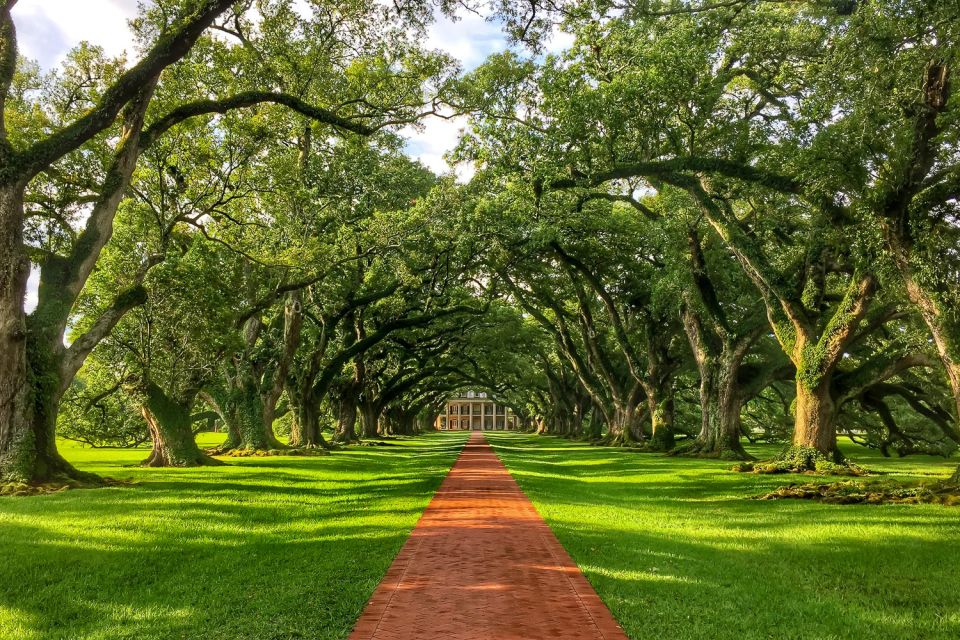
The most famous visual here is the Allee of oaks: a 1/4-mile corridor of trees. What’s important (and not just trivia) is that the oaks were created with slave labor sometime from the 1820s to the 1840s. That connection changes the way you look at the view.
You’ll walk the oak alley in the early part of the visit, and it’s exactly the kind of place where you can understand why people come for the atmosphere—while also remembering the human cost behind the beauty. It photographs well, yes, but it’s also a strong start for the interpretive story you’ll hear next.
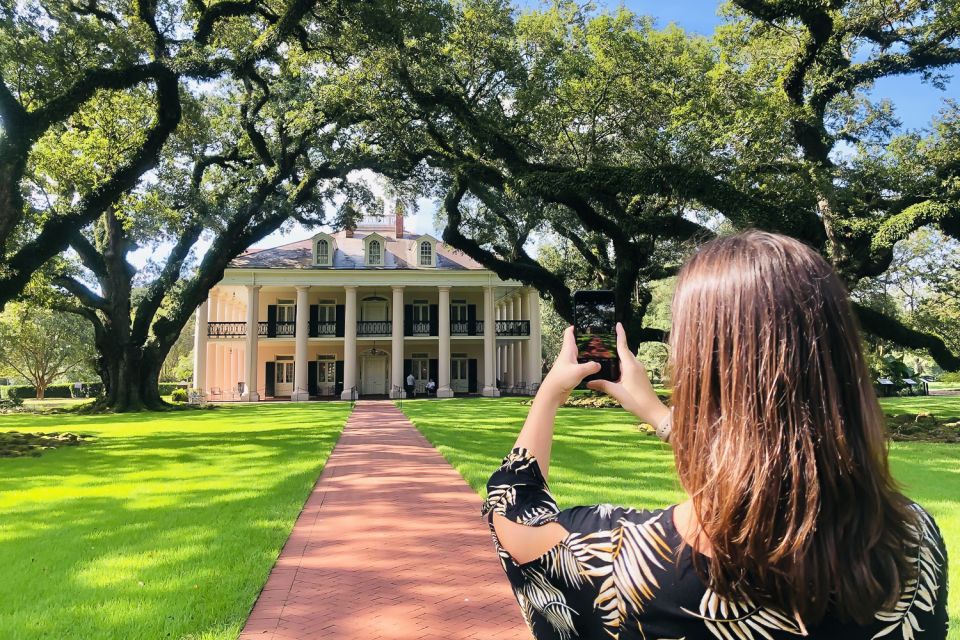
Practical note: cameras are encouraged on the balcony, grounds, and self-paced exhibits, but they’re not allowed inside the plantation home. So if you like pictures, plan on shooting the alley and exteriors freely, then set your expectations for what’s permitted indoors.
Entering the Big House: guided tour, no-cameras rule, and what that means for your time
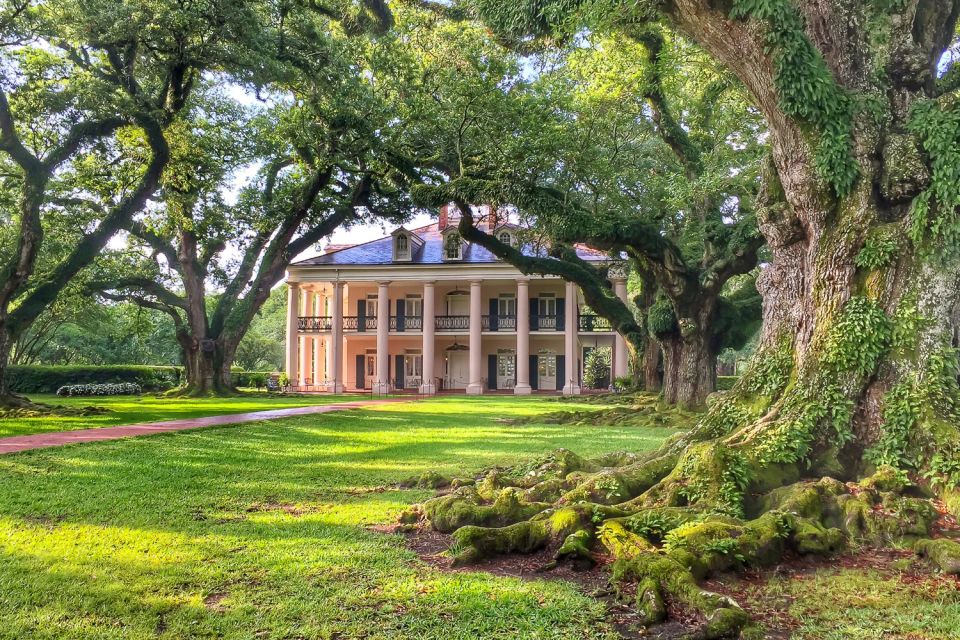
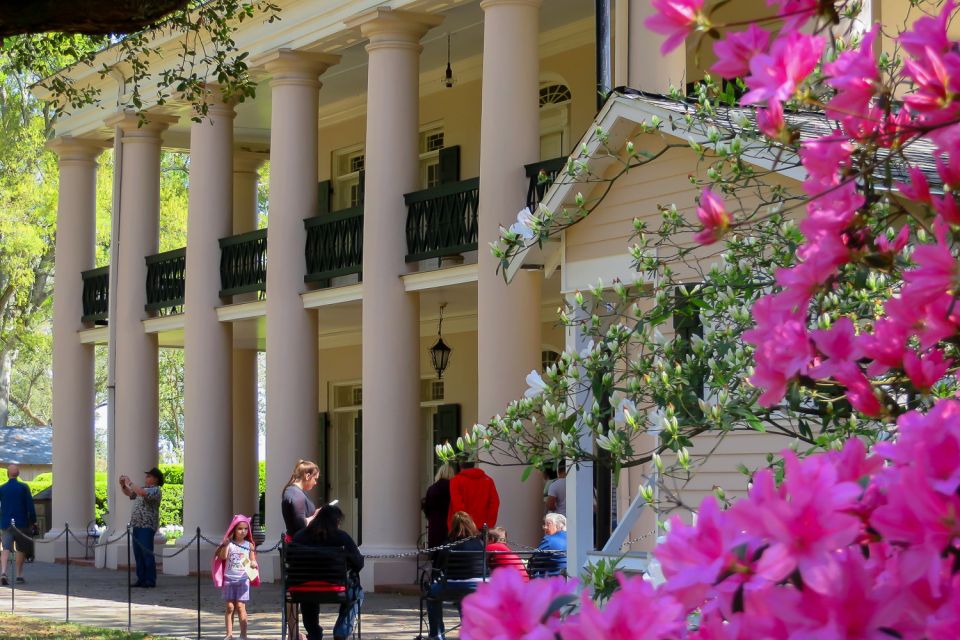
The main event is the guided visit to the Big House exhibit. This is the 1839 Greek Revival mansion, built with success and power in mind—so you’ll notice how attention to form and status shows up in the rooms and layout.
Here’s where the tour rules affect your experience. Inside the plantation home and during parts of the Big House exhibit:
- cameras are not allowed
- electronic devices must be turned off and cell phones muted while you’re in the Big House exhibit
That can feel strict, but it also forces you to slow down and listen. If you’re the type who reads everything on a phone screen, consider how you’ll switch to listening and on-site placards for the interior portion.
Also, there’s an accessibility heads-up: the second-floor part of the Big House exhibit involves climbing 22 stairs. A video tour is available in the media room if you can’t manage the stairs, but seating is limited, so reserve that option if you need it.
Some guides and drivers are known for strong narration. Names that have come up in past experiences include Robert, Michelle, Briant, Jim, JoAnn, Anne, Mary, and Melinda—so if your guide is one of these, you’re likely to get clearer storytelling during the drive and in the house tour.
Sugarcane Theater, blacksmithing, and gardens: the stuff that turns architecture into a working system
A lot of plantation tours feel like you either tour the house or you tour the exhibits. Here, you get several stops that link daily life to what the plantation produced and how it ran.
You’ll see the Sugarcane Theater, which shares a film on sugarcane production and includes displays tied to that process. Then there’s a blacksmithing exhibit, including the plantation’s original forge. That’s the kind of detail that helps you picture what needed fixing, shaping, and maintaining—especially in an operation where tools and labor were inseparable.
You’ll also have time for the East and West Gardens, described as gardens reflective of the 1840s and 1930s. Even if you don’t know garden history, the key value is that you’re seeing how the grounds changed over time, not just how they looked at one single moment.
If you like tours where you can answer the question What was daily life like beyond the mansion? you’ll appreciate these added stops. They give you multiple entry points into the plantation’s function.
Reconstructed slave cabins and a slavery exhibit with an interpreter (what to expect, and how to use the time)
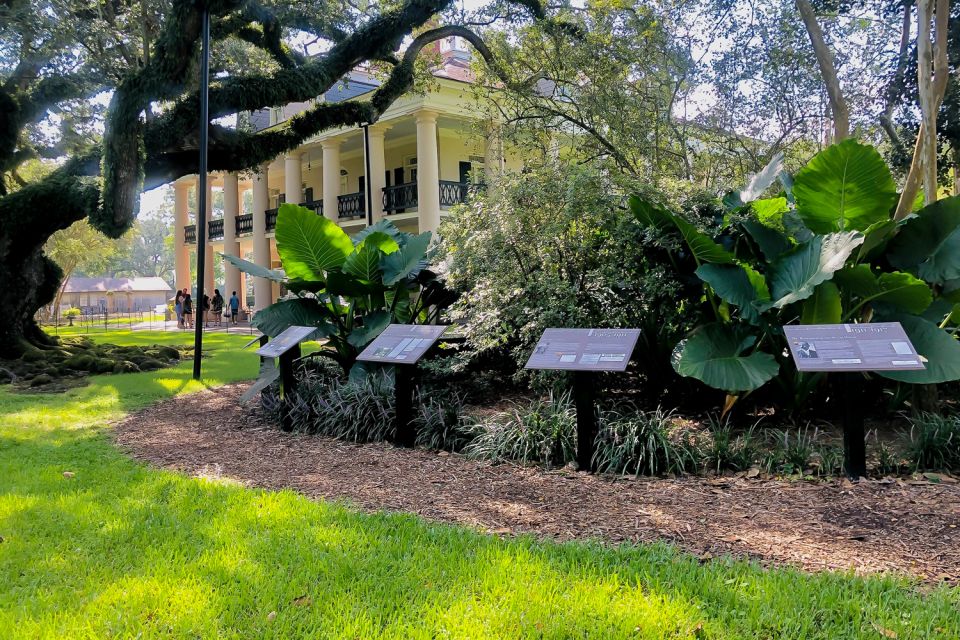
This tour makes sure you don’t skip the slavery-related interpretation. You’ll visit reconstructed slave cabins and a slavery exhibit with an interpreter. This part is designed to put you in contact with the people who were enslaved here, with language and context that aim to connect the site’s physical spaces to lived experience.
You’ll also get an exhibit on subsequent owners following the Civil War, which matters because it keeps the timeline moving. If your instinct is to think the story ends with the Civil War, this stop helps correct that assumption.
One small but real tip: if you’re sensitive to heavy historical content, give yourself permission to pause. Don’t try to sprint through the interpretive areas just to get more photos. If you read slowly, this portion usually lands harder—in the best way.





The on-site café and your free time: where the tour can feel rushed
On-site, there’s a Plantation Café where you can purchase food like snacks, salad, and sandwiches. There are picnic tables to sit at or you can enjoy food aboard the coach.
Here’s the consideration: the amount of self-paced walking time can feel tight depending on the day and how the schedule flows. In some experiences, visitors reported having around 30 minutes to walk around after the guided house tour. In other cases, people felt they needed more time—some suggested at least 3 hours to really take in the full grounds and exhibits at an unhurried pace.
So plan like this:
- If you want lunch, consider grabbing something that’s fast so you don’t lose track of your walking time.
- If you care about every exhibit, expect that your best chance is to stay focused during the guided portion and treat free time as a bonus, not the main event.
Also, one practical tip from the way people talk about the day: if you prefer eating without stress, consider eating before you go. The café is there, but it’s not a full-city restaurant experience.
Optional 90-minute Manchac Swamp upgrade: worth it if you want nature and local culture
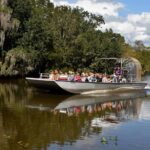
If you choose the upgrade, you’ll take a short ride to the Manchac Swamp for a 90-minute pontoon boat tour. You ride in a comfortable, covered boat driven by a local captain and cruise through a privately-owned wildlife refuge.
This part adds a totally different flavor from the plantation itself:
- wildlife spotting (keep your eyes peeled for alligators)
- local history related to Frenier and Cajun culture of fishing, hunting, and trapping
The “alligators as they leap up for snacks” angle is clearly part of the fun expectation here. If you’re coming from a day of structured historical stops, the swamp tour can feel like a release valve—while still keeping you out in the region’s water-and-wildlife world.
Weather matters for any outdoor cruise. If you’re already visiting during a wetter season, dress for it and bring what you need to stay comfortable for a covered boat ride.
Transportation, timing, and real-world comfort on the coach
A big reason people pick this type of tour is simplicity. With round-trip transportation included, you’re not juggling parking, navigation, or finding your way between scattered stops.
People also highlight that the drive includes narration from the driver, sometimes sharing New Orleans history and pointing out what you’ll see on the way out. Names that came up for driver storytelling include Alton, Ken, Donald, and Robert. Even if your driver isn’t one of those exact names, the pattern is that the drive tends to be informative rather than silent.
The coach also matters for comfort on a longer day. Some visitors noted there’s a restroom on the bus, and that the ride can be clean and comfortable.
The downside of a scheduled day is less control. There are occasional service hiccups in any operation that runs in a remote area. One past experience included a bus problem and delays during flooding conditions, which obviously isn’t something you can “plan around” fully. If you’re traveling with strict timing, keep a little flexibility in your schedule for that day.
Who this tour fits best (and who should think twice)
This is a strong fit if you want:
- guided structure without having to rent a car
- a mix of architecture + interpretive exhibits
- the convenience of multiple on-site stops (Sugarcane Theater, slavery interpretation, gardens, blacksmithing)
It may not be ideal if:
- you’re hoping for lots of unstructured time to wander the grounds at your own pace
- you dislike tours with interior rules like no cameras inside and muted phones
The tour duration listed (315–465 minutes) suggests a broad range, so check timing for your day. When you’re deciding, think about your preferred pace: history fans usually love the guided flow; people who like “wander first, read later” may feel the schedule compresses the experience.
Should you book Oak Alley with transportation?
I’d book this if you want the easiest way to see Oak Alley with guided interpretive stops and you like the idea of being driven out of the city. The value isn’t only the $89 price tag—it’s what’s packed into it: oak alley access, a guided house visit, slavery-focused exhibits with an interpreter, and on-site learning stops that go beyond the mansion.
I’d hesitate only if you need long free time on your own, or if you strongly dislike rules around phones and cameras inside the home. If that’s you, you might still love it—but go in ready for a structured, guided timeline.
If you add the swamp tour, it’s a practical way to turn a long travel day into a day with both history and wildlife on the water—just note that it’s one more layer to manage.
FAQ
How long is the Oak Alley tour with transportation?
The total duration listed is 315 to 465 minutes, depending on the start time and how the day’s schedule runs.
What’s included with the transportation option?
Round-trip transportation is included, along with the guided visit to the Big House exhibit, the Sugarcane Theater, reconstructed slave cabins and a slavery exhibit with an interpreter, gardens (East and West), a blacksmithing exhibit, and an exhibit on subsequent owners after the Civil War. You also have access to the on-site café/restaurant area.
Is the 90-minute swamp tour included automatically?
No. The 90-minute Manchac Swamp pontoon cruise is an upgrade option. If you choose it, you’ll go on a 90-minute covered boat tour in a privately-owned wildlife refuge.
Are cameras allowed during the tour?
Cameras are not allowed inside the plantation home. Photos and self-paced exhibit photography are encouraged on the grounds and in self-paced areas.
What are the rules for phones and electronics inside the Big House?
Electronic devices must be turned off and cell phones muted while in the Big House exhibit. No photography or video is allowed inside the plantation home.
Is the tour wheelchair accessible?
Wheelchair accessibility is included. Basic and motorized wheelchairs are permitted. Most exhibits are handicapped accessible, but the second floor of the Big House exhibit has 22 stairs; a video tour option is available for guests who cannot climb.
Where do I meet for the tour?
You’ll display your barcoded voucher 15 minutes before your tour time at the Lighthouse Ticket Office at Toulouse St. and the Mississippi River, at the Steamboat Natchez dock directly behind JAX Brewery. Tours depart from 400 Toulouse Street, New Orleans, LA 70130.