REVIEW · NEW ORLEANS
New Orleans : Best of Ghost & Voodoo Experience Walking Tour
Book on GetYourGuide →Operated by UTG EXPERIENCE LIMITED · Bookable on GetYourGuide
Ghost stories start on Toulouse Street. This 2-hour New Orleans French Quarter walk is a smart mix of street history and eerie lore, and I especially liked the way guide Keynin brings it to life with real passion for the city. I also came away with a memorable sense of how Marie Laveau’s world connects to divination, occult practice, and her snake named Zombi.
One important consideration: you do not enter the haunted houses. You’ll see them and hear what’s tied to them, but if you’re expecting to step inside, this tour will feel more like outdoor storytelling than an attraction with rooms and doors.
In This Review
- Key highlights I found most compelling
- The French Quarter walk that stays practical and still creepy
- Meeting at 528 Toulouse Street and what the timing really means
- Keynin’s storytelling style: why the guide matters here
- Marie Laveau: the story that ties the whole tour together
- Haunted houses you see, not haunted houses you enter
- Burial rites, voodoo practices, and the line between myth and place
- Cemetery stop: what happens when it’s closed
- Is $20 good value for a 2-hour ghost and voodoo walk?
- Who this tour suits best (and who should skip it)
- Should you book this ghost and voodoo walk?
- FAQ
- Where does the tour meet?
- How long is the walking tour?
- What does it cost?
- Is the tour in English?
- Do you enter the haunted houses?
- Is there a stop at a cemetery?
- Can I cancel for a full refund?
Key highlights I found most compelling
- Keynin as the guide: super knowledgeable, passionate, and he’s also an accomplished New Orleans musician
- Marie Laveau and Zombi: the story centers on divination and an African deity-linked snake named Zombi
- Haunted locations without entry: you get the spooky context, but no interior visits
- Voodoo practices explained in plain language: burial rites and ritual details are tied back to the neighborhood’s past
- A pop-culture shortcut: the tour connects the French Quarter’s occult reputation to shows and films like True Blood and Interview with the Vampire
The French Quarter walk that stays practical and still creepy
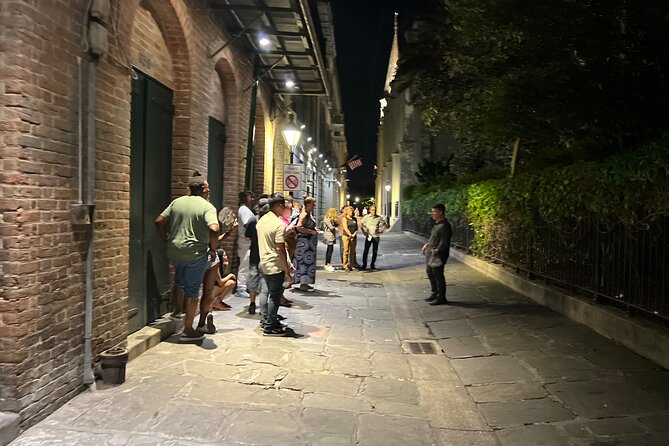
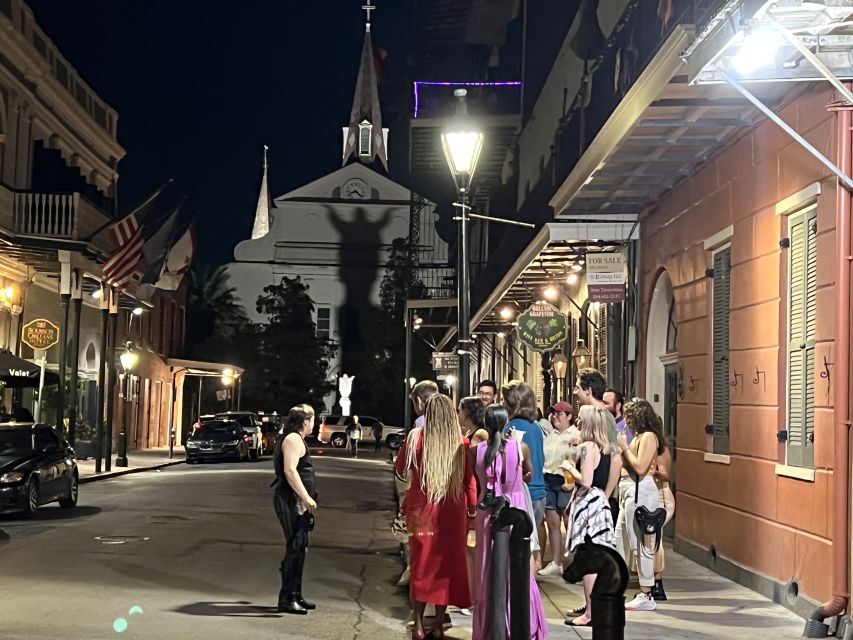
New Orleans is one of those cities where the past feels close enough to touch, even in the middle of a normal afternoon. This ghost and voodoo walking tour leans into that idea in a way that’s easy to follow: you meet your guide in the French Quarter area, then you move street to street while the guide explains the stories behind what you’re seeing.
The best part for me is the balance. You’re not just chasing jump-scare vibes. You’re learning why people in the neighborhood talked about ghosts, vampires, burial rites, and voodoo practices—and how those beliefs shaped the culture around them. The tour also points out that the French Quarter has long been a backdrop for occult-themed movies and TV, from True Blood to Interview with the Vampire, and even American Horror Story season 3. That context matters because it helps you understand why the stories kept spreading.
At two hours long, it’s also a manageable commitment. You can fit it around other French Quarter time—before dinner, after a museum visit, or as your first evening walk so the neighborhood starts making sense faster. And since it’s a walking tour with a live guide, it’s built for people who want explanations, not just a list of famous names.
You can also read our reviews of more walking tours in New Orleans



Meeting at 528 Toulouse Street and what the timing really means
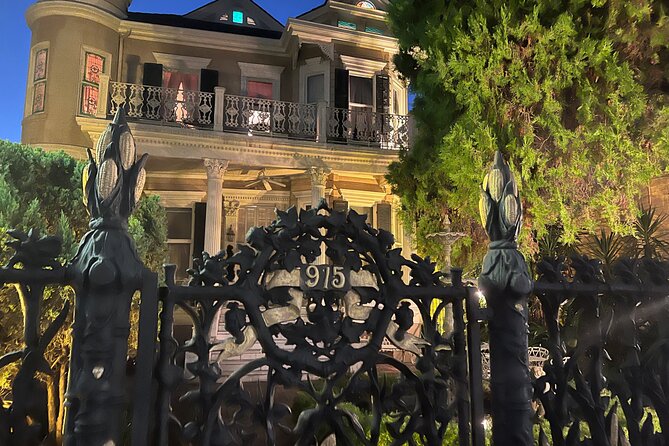
The tour meets at 528 Toulouse Street and ends back at the meeting point. That’s helpful in two ways. First, you don’t have to plan a second leg across town at the end. Second, it keeps you grounded in the same tight French Quarter area, which is ideal if you like wandering on foot anyway.
Duration is listed as 2 hours, with starting times that depend on availability. In practice, that means you’ll likely be moving at a steady walking pace with story stops spaced along the route. Expect the flow to feel like: arrive, orient, then a sequence of themed stops—haunted houses you can view from the outside, and story points that connect voodoo, burial rites, and the legend surrounding Marie Laveau.
A quick reality check: the tour description notes that when a cemetery is closed, the guide won’t go in. Instead, you stop in front of it for the necessary comments. So your “time outside” will still matter even if you can’t fully access a site, and the guide’s job is to keep the story moving.
If you hate delays or long waits, this is still generally a solid format. The tour isn’t trying to be a timed-entry attraction. It’s more like a focused guided stroll, and it’s designed to work even when certain places aren’t open.
Keynin’s storytelling style: why the guide matters here
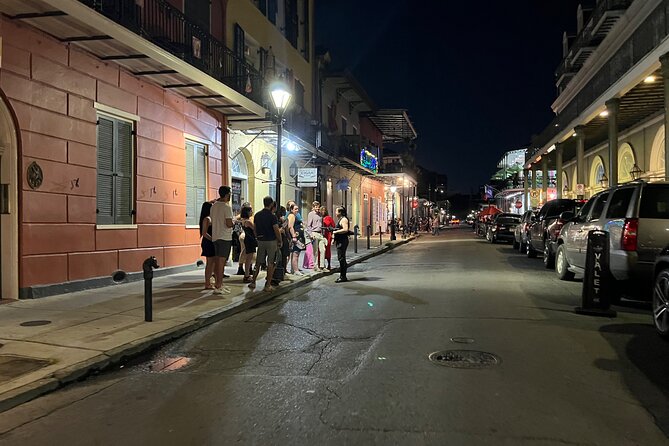
On tours like this, the guide is the product. The information is important, sure—but the voice, pacing, and confidence can make the difference between a spooky walk and a flat lecture.
The reviews I saw put real weight on the same detail: Keynin is not only knowledgeable, he’s passionate about New Orleans and brings the stories with energy. One review also notes he’s an accomplished musician and does a music tour of New Orleans as well. That kind of background often shows up in how a guide frames the neighborhood—rhythm in speech, attention to tone, and a stronger sense of what’s worth emphasizing.
For you, this matters because voodoo-related stories can get simplified or sensationalized in the wrong hands. A good guide keeps it grounded in history and local context. Here, the tour is set up to explain burial rites and voodoo practices as part of the neighborhood’s story, not just as shock-factor horror.
So when you show up, your best move is to come with curiosity and a willingness to hear the stories as the guide tells them. Wear comfortable walking shoes. And if you’re the type who likes asking follow-up questions, this is the kind of tour where that usually fits.
Marie Laveau: the story that ties the whole tour together
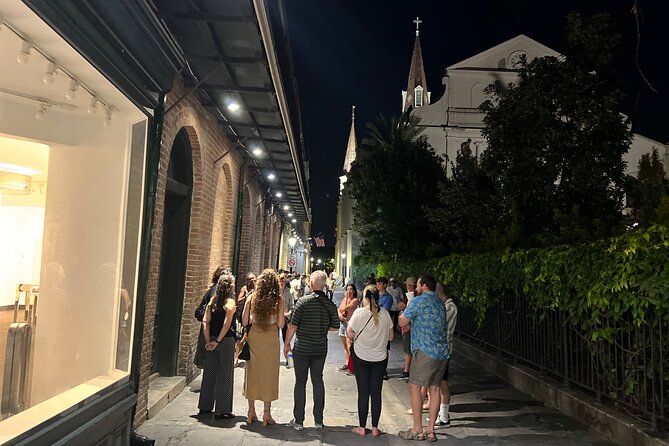
If you want the single thread that gives this tour its punch, it’s Marie Laveau. The experience highlights her involvement with divination, the occult, and magic, and it specifically mentions the snake she named Zombi after an African deity. That detail isn’t just trivia—it’s the kind of symbol that helps explain how belief, identity, and ritual stories were woven into life in the French Quarter.
Marie Laveau’s reputation tends to travel fast through pop culture. This tour’s value is that it slows the story down enough for you to place it in a local worldview: what people believed, why it mattered, and how it connected to practices people carried out. The guide’s job here is to connect the dots between the practical reality of the neighborhood and the legends that grew around it.
Even if you’re only half-interested in the supernatural, the Marie Laveau portion is worth it because it touches broader themes: how communities create meaning under pressure, how stories survive when times get hard, and how figures become larger than life.
Just don’t expect this to be a dry timeline. This is a walking tour built around scenes and names, so the Marie Laveau story is likely delivered as a thread that keeps returning as you move through the French Quarter stops.
Haunted houses you see, not haunted houses you enter
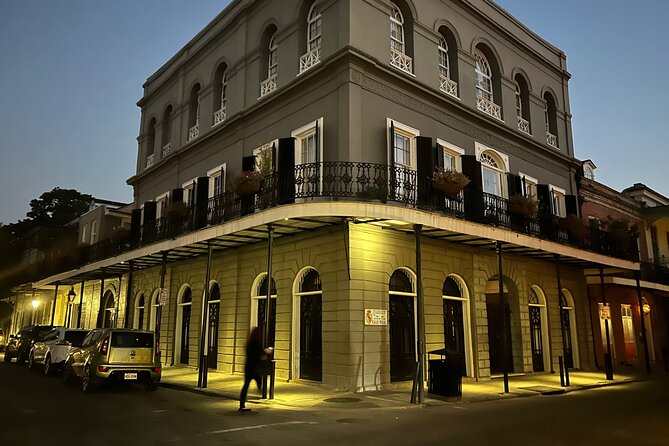
A lot of people book ghost tours for a certain kind of chills: dark corridors, creaking doors, and the thrill of being inside somewhere you shouldn’t be. This tour won’t meet that exact expectation because it explicitly says: you do not enter the haunted houses.
So what do you get instead? You get the locations and the stories attached to them. The spooky factor comes from observation plus explanation—what the guide points out, why the site became part of the lore, and how the stories of ghosts and vampires were shaped by the neighborhood’s identity.
For me, that approach is actually a plus. It keeps the focus on history and meaning instead of turning the walk into an amusement-style haunted house experience. You can stay in control of your comfort level too. You’re not trapped indoors, and you’re not dealing with lighting and crowds. It’s French Quarter street life with an added layer of narrative.
Still, the drawback is real, and you should know it upfront: if you want to walk through interiors, this probably won’t satisfy you.



Burial rites, voodoo practices, and the line between myth and place
The tour description calls out burial rites and voodoo practices. That’s key, because it signals that the stories aren’t only about ghosts floating through windows. Instead, you’ll hear about rituals tied to how people handled death, memory, and belief.
In New Orleans, that topic can get handled in two extremes: either people treat it like pure Halloween theater, or they act like the only purpose is to shock. This tour is positioned in the middle: you learn what these practices mean in the context of the French Quarter. You also hear how burial-related stories and voodoo legends became part of the neighborhood’s reputation—eventually showing up in film and TV.
What you’ll like most is that this tour ties the supernatural to geography. Instead of learning these topics as isolated facts, you connect them to places you can actually stand near. That physical link is why walking tours work so well for this theme. A story told on a street corner lands differently than a story read in a book.
And if you’re the type who likes explanations, the live guide format helps. You can ask what a detail means, and the guide can steer you toward understanding rather than just repeating eerie-sounding lines.
Cemetery stop: what happens when it’s closed
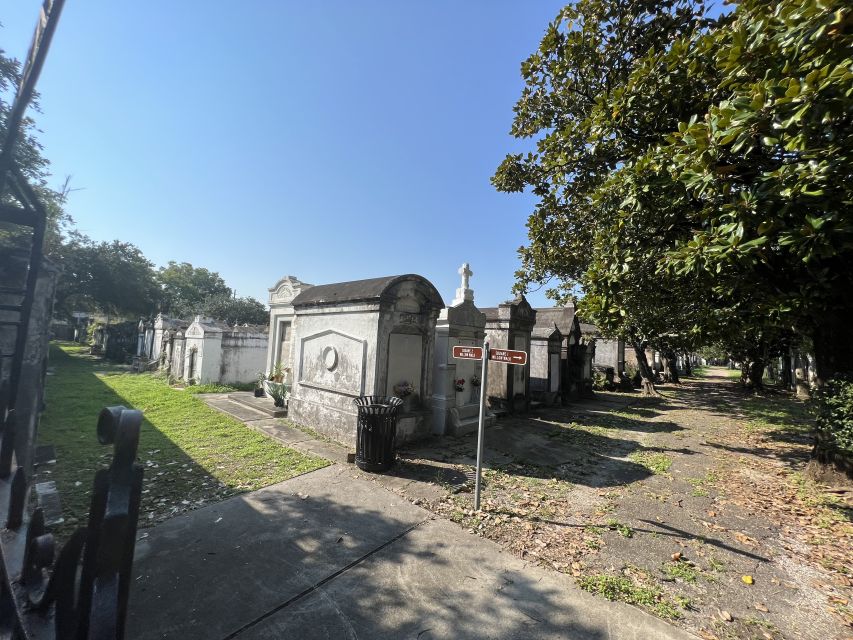
The itinerary note about the cemetery is straightforward: when the cemetery is closed, the group will stop in front of it and the guide will give the necessary comments there.
This is worth planning for in a practical way. It means you should expect some parts of the experience to be weather- and schedule-dependent, even in a 2-hour tour. But it also means the tour isn’t likely to fall apart if access is limited. The guide still has a way to cover the story without needing entry.
If you’re sensitive to walking in heat or you want a very fixed plan with no changes, treat this as a minor flexibility point, not a deal-breaker. The bigger win is that you’re still getting the narrative context tied to the cemetery—just delivered from the outside when that’s the only possible option.
Is $20 good value for a 2-hour ghost and voodoo walk?
At $20 per person for a 2-hour live guided walking tour, the price sits in the “reasonable for a focused specialty guide” range. Here’s why I think it’s good value if you match the theme.
First, you’re paying for more than a route. You’re paying for the guide’s ability to explain burial rites, voodoo practices, and the Marie Laveau story in a way that connects to actual locations in the French Quarter. That kind of storytelling is hard to DIY unless you already know what you’re looking for.
Second, you’re not paying for entrance fees or transportation, since those are listed as not included. That also keeps expectations clear: your spending goes toward the guide and the walk itself. If you’re already planning to spend a chunk of time in the French Quarter, this becomes a cost-effective way to add meaning to what you’d otherwise experience casually.
The one value warning is the haunted house factor. Because you don’t enter haunted houses, don’t assume you’re getting a ticketed, inside-the-location type experience. You’re getting guided viewing and story context. If that’s your preference—this price feels fair.
Who this tour suits best (and who should skip it)
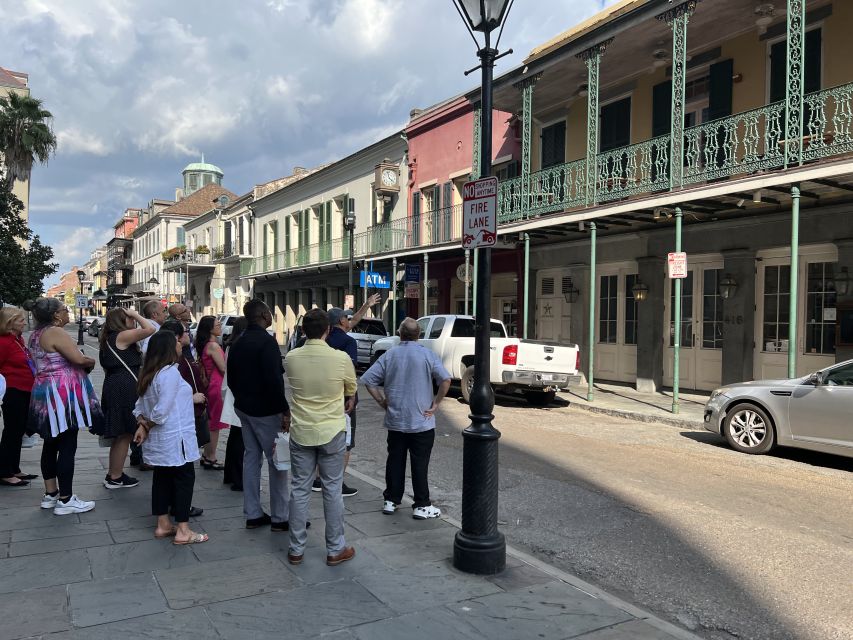
This tour is a strong fit if you:
- Want a French Quarter experience that mixes history with spooky storytelling
- Like learning about Marie Laveau and how voodoo stories connect to the neighborhood
- Enjoy guided context more than silent sightseeing
- Prefer a 2-hour commitment that doesn’t hijack your whole day
It may be less satisfying if you:
- Are specifically looking for an inside-access haunted attraction
- Want a strictly academic lecture with minimal storytelling tone
- Need the tour to guarantee access to every listed site
If you’re unsure, the “no haunted house entry” detail is the deciding factor. Everything else is built around street-level explanation and atmosphere.
Should you book this ghost and voodoo walk?
Yes, I’d book it if you want a guide-led French Quarter walk centered on Marie Laveau, voodoo stories, and the neighborhood’s haunted reputation—delivered in a readable, street-based way. The standout here is the guide quality, with Keynin highlighted for knowledge and passion, plus the added note that he’s also an accomplished musician, which hints at storytelling energy.
Just go in with the right expectations: you’re viewing haunted houses and hearing the stories, not entering them. If that trade-off sounds okay, this is a solid, story-rich option for a first or early French Quarter evening.
FAQ
Where does the tour meet?
The tour meets at 528 Toulouse Street in New Orleans.
How long is the walking tour?
The tour is listed as 2 hours.
What does it cost?
The price is $20 per person.
Is the tour in English?
Yes. The guide provides the tour in English.
Do you enter the haunted houses?
No. The tour does not enter the haunted houses.
Is there a stop at a cemetery?
The tour includes a cemetery stop, but if the cemetery is closed, you’ll stop in front of it and the guide will provide the necessary comments.
Can I cancel for a full refund?
Yes. Free cancellation is offered up to 24 hours in advance for a full refund.