
REVIEW · NEW ORLEANS
Gallier House Tour in New Orleans
Book on Viator →Operated by Hermann-Grima House · Bookable on Viator
Step into 1860 without leaving Royal Street. What makes the Gallier House tour so fun is how it mixes showpiece Victorian design with practical engineering you can actually point to, like the hot and cold indoor plumbing and the home’s big architectural tricks such as the double skylight. One real caution: if you’re sensitive to musty indoor air, take note—one guest reported mold upstairs and had to leave.
I also love that the tour doesn’t treat the house like a pretty postcard. It brings in the economics of plantation-era wealth and the labor of enslaved people and later domestic workers that supported the Gallier family. When I hear a guide with energy—like Susie (spelled that way in one standout tour account)—the place feels lived-in, not lecture-hall.
In This Review
- Key Things to Know Before You Go
- Entering Gallier House on Royal Street
- The 1860 Engineering Details That Really Grab You
- Victorian Rooms, Furnishings, and Trompe l’oeil Fun
- How a Wealthy French Quarter Home Worked
- The Tour Flow: What You’ll Do in That One Hour
- Price and Value: Why $17 Makes Sense Here
- Practical Tips for a Smooth Visit
- Who This Tour Is Best For
- Should You Book the Gallier House Tour?
- FAQ
- How long is the Gallier House tour?
- What does the $17 ticket include?
- Where do I meet for the tour?
- What size group is this tour?
- Can I cancel for a full refund?
- Is it a mobile ticket, and are service animals allowed?
Key Things to Know Before You Go
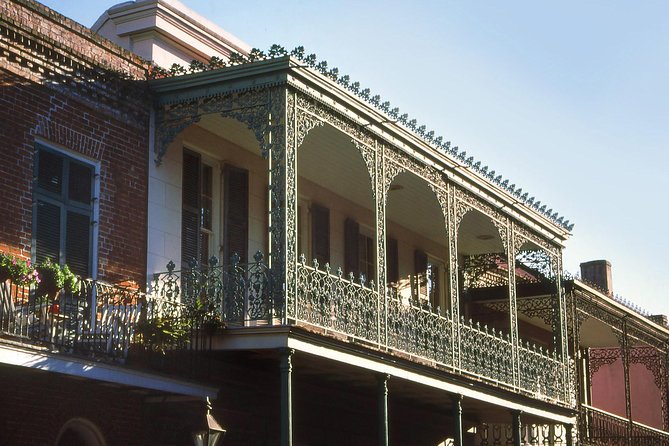
- 1860s engineering inside a French Quarter townhouse: hot and cold running water and a double skylight
- Victorian interiors you can see up close: period furnishings plus trompe l’oeil wall art
- A National Historic Landmark: the house is preserved for major architectural and historic value
- The tour interprets inequality directly: you’ll learn how enslaved labor supported a wealthy urban home
- Small group size: capped at 16 travelers, so questions feel possible
- 1 hour is tight but doable: you can fit this between neighborhoods without losing your whole day
Entering Gallier House on Royal Street
Gallier House sits in the French Quarter at 1132 Royal St, and it feels like the neighborhood briefly holds its breath. The tour is guided, lasts about 1 hour, and you’ll step into a 19th-century townhome that survived the waves of change in New Orleans. Built in 1860 and designed by Crescent City architect James Gallier, Jr., it’s the kind of place where the details matter more than the hype.
I like that this is not a long museum slog. The time window is short enough that you stay alert, but it’s long enough for a guide to connect dots—design choices, daily life, and how an “urban plantation” economy worked even when you never left the city.
And yes, it’s a real landmark. Gallier House is listed as a National Historic Landmark, which usually means preservation isn’t casual. You’re seeing a curated survival of a specific era, not a reconstruction that feels made-for-Instagram.
You can also read our reviews of more tours and experiences in New Orleans.



The 1860 Engineering Details That Really Grab You
Most house tours show rooms. Gallier House also shows how the home functioned. That matters, because comfort tech is how you learn what “modern” meant in the Civil War years.
Here are the headline features the guide typically walks you through:
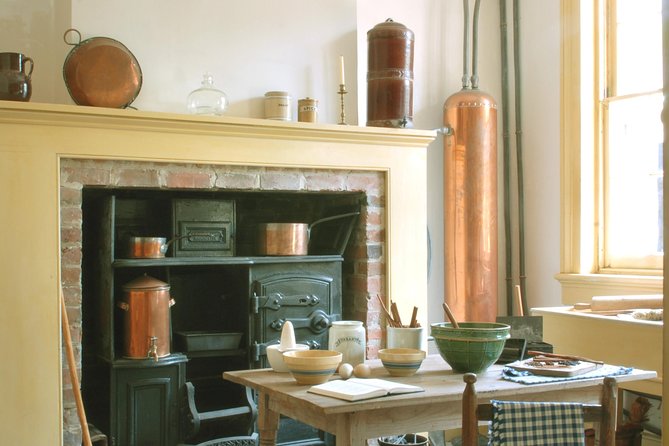
- Indoor plumbing with hot and cold running water
- A double skylight that brings light deeper into interior spaces
Even if you’re not an engineering person, you’ll feel the impact. When a home has hot and cold running water in the 1860s, that’s a statement about money, maintenance, and daily routines. It also changes what kinds of rooms get used and how often the house could be serviced.
There’s also a “house-as-instrument” feeling to it. These aren’t random flourishes. The layout and architectural choices connect to practicality: light where you need it, access where you can keep the household running smoothly, and a design style that stayed consistent with Victorian taste.
Victorian Rooms, Furnishings, and Trompe l’oeil Fun
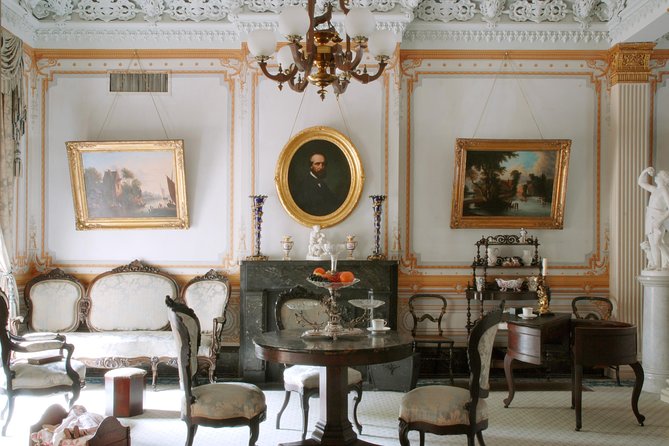
Once you’re inside, you’ll notice how Victorian furnishings and decor work together. Period furniture isn’t just placed there; it’s arranged like a real household cared about presentation. Using the household’s original inventory as a guide, the interiors reflect the Galliers’ refined tastes.
One specific detail I think you’ll enjoy is the presence of trompe l’oeil paintings. This is the kind of art that tricks your eye into reading walls as if they extend space. In a place like Gallier House—where you’re already in the middle of the past—that illusion lands extra hard. It’s art doing a job: making rooms feel larger, grander, and more “complete,” even in a compact city home.
A good guide also helps you slow down. You’ll likely be prompted to look beyond the obvious centerpiece and notice things like decorative schemes that match the era’s design logic.
If you like interiors, this is where the tour earns its reputation. A lot of older homes can feel staged. Gallier House tends to feel intentional and coherent.
How a Wealthy French Quarter Home Worked
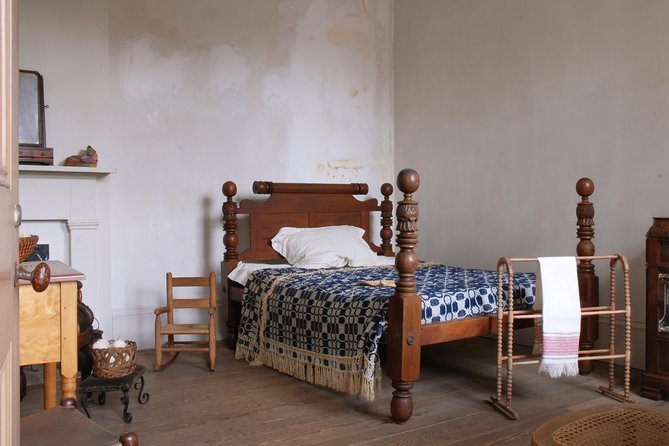
Here’s the part that turns the visit from pretty rooms into real learning: the Gallier family home wasn’t just luxurious. It was supported by a labor system tied to slavery—and later by domestic workers whose lives were also part of the household machine.
On the tour, you’ll learn about:
- the history of the former inhabitants
- the plantation-era economics behind urban luxury
- how the work of enslaved people supported the household
- the way domestic servants later fit into the home’s day-to-day reality
This is valuable because you don’t have to hop out of the French Quarter to understand the underpinnings of the city’s wealth. You see it in the house itself—through how spaces were organized and what the household required to function.
I also appreciate that the tour doesn’t pretend the story is simple. The contrasts between family spaces and labor spaces are the point, and a good guide will make sure you notice them rather than rushing through.
If you want a New Orleans experience that’s honest about the past without being gloomy, this is one of the best formats: guided, specific, and grounded in the building.
The Tour Flow: What You’ll Do in That One Hour
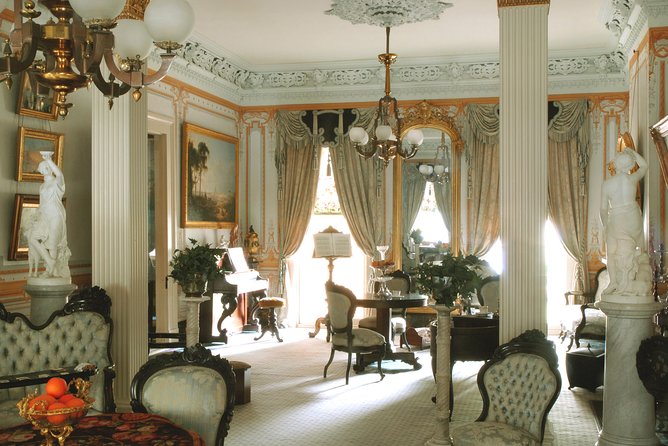
There’s one main stop: Gallier House. You’ll meet at 1132 Royal St, tour the rooms with a guide, and then it ends back at the meeting point. That simplicity is a plus. You’re not juggling transfers or walking a long route in hot weather.
With a maximum of 16 travelers, you’re also less likely to feel like a number in a crowd. The best moments tend to come when the guide gives you time to look and then asks you to notice something else—plasterwork, lighting, furniture arrangement, or a story connected to a specific room.
Timing-wise, plan for it to feel like a structured walk-through rather than an “wander and browse.” If you’re the type who wants to read every label, you’ll still get your fix, but you’ll also be guided toward the most important rooms and details.






Price and Value: Why $17 Makes Sense Here
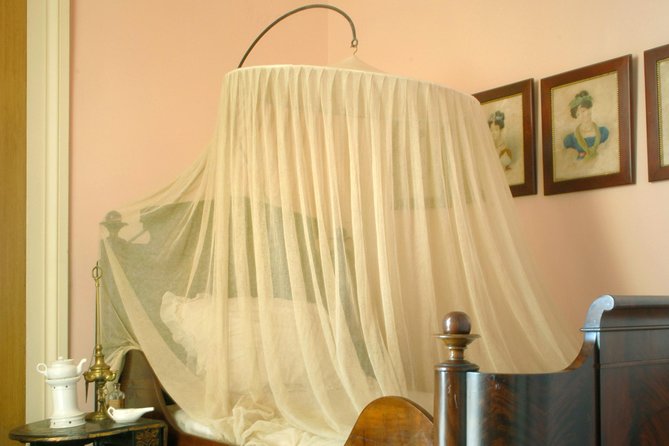
At $17 per person, this is easy to justify if you care about architecture and everyday life in the Civil War-era city. You’re not paying for a generic exterior photo stop or a short, no-story pass-by.
You’re also getting admission included, and that matters. House tours can tack on separate museum fees, so bundled entry reduces the mental math.
Think of it this way: in the French Quarter, $17 is the price of one decent meal or a couple of drinks. This gives you an hour of guided interpretation in a real historic house—with interior details you can’t get from the sidewalk.
The strongest value comes if you want:
- a focused tour that fits your day
- Victorian interiors plus engineering details
- context about how wealthy city life connected to slavery and domestic labor
Practical Tips for a Smooth Visit
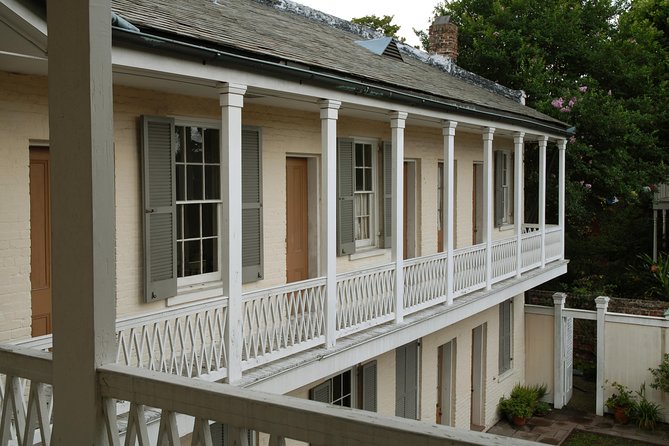
A few small things can make this tour more pleasant.
1) Wear comfy shoes. You’ll be inside and standing as the guide talks, so comfortable footing helps even when you’re not outside much.
2) If you’re sensitive to indoor odors, be cautious. One tour account flagged mold upstairs and noted that they had to leave. That doesn’t mean everyone will have the same reaction, but it’s worth keeping in mind. If you notice strong mustiness, don’t tough it out—ask the guide what areas you should avoid.
3) Bring your photo brain, not your photo obsession. The house is full of visual information: furnishings, wall art, ceiling/light features. You’ll do better if you take photos of the details you can’t remember later, like the kinds of illusion artwork or standout engineering features the guide points out.
4) Use the short duration wisely. Since it’s about 1 hour, try not to schedule it too far from another indoor activity. This is a good mid-day reset or a pre-dinner learning stop.
Who This Tour Is Best For
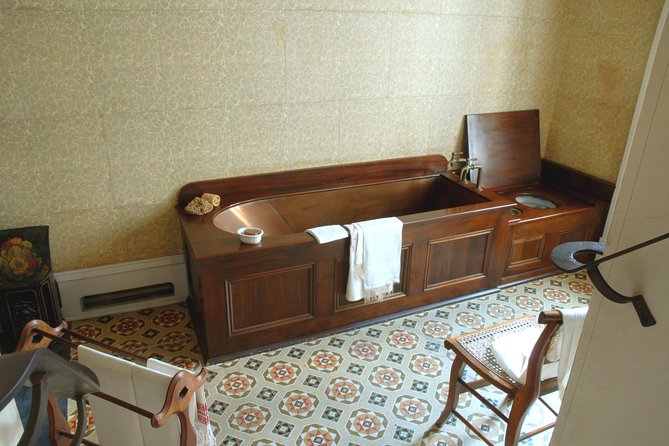
This is a strong match if you:
- want a guided look inside a rare preserved French Quarter townhouse
- like architecture and interior design with real-world explanations
- want to understand New Orleans history in a place that shows it physically
- prefer shorter tours with a small group size
It’s also a smart option for people who are already doing the big French Quarter highlights and want something more grounded and interpretive, without turning the day into a long museum crawl.
If you’re strictly interested in outdoor scenery, you might find the indoor nature limiting. But if you want to understand how a 19th-century household lived, this place has the goods.
Should You Book the Gallier House Tour?
Yes—if you’re the kind of traveler who likes your history tied to objects, rooms, and design choices. For $17, you get an hour in a National Historic Landmark townhouse with hands-on explanations of both Victorian aesthetics and serious 1860-era engineering like hot and cold plumbing.
The only clear reason to hesitate is if you have strong respiratory sensitivity to indoor air. Since at least one person reported mold upstairs and left, it’s a reasonable factor to consider. If that’s you, I’d ask the operator or choose a different option.
Otherwise, this is a high-value way to understand the French Quarter’s past from the inside out—complete with the parts people often skip.
FAQ
How long is the Gallier House tour?
The tour runs for about 1 hour.
What does the $17 ticket include?
Admission to Gallier House is included in the price.
Where do I meet for the tour?
You meet at Gallier House, 1132 Royal St, New Orleans, LA 70116.
What size group is this tour?
The tour has a maximum of 16 travelers.
Can I cancel for a full refund?
Yes. You can cancel for a full refund up to 24 hours before the experience starts. Free cancellation is allowed, and there’s no refund if you cancel less than 24 hours before.
Is it a mobile ticket, and are service animals allowed?
The tour uses a mobile ticket. Service animals are allowed.