REVIEW · NEW ORLEANS
The Badly Behaved Women Who Made New Orleans Tour
Book on Viator →Operated by Spectral City Tours · Bookable on Viator
Sex, power, and New Orleans history collide. This 2-hour walk turns the French Quarter and nearby Storyville ground into a living lesson on vice, survival, and the women who lived (and were controlled) by it. I love how it points you at real places like the Ursulines convent and Lafitte’s area, so the stories feel rooted, not vague. You’ll also get strong local context from guides named Josh and Tracy in past groups, with extra architecture and city details mixed in as you go.
I also like the pacing. Stops are short and focused, with time to cool off and reset, especially at Lafitte’s Blacksmith Shop Bar. That makes a heavy subject feel manageable instead of nonstop. I’m glad it ends with a practical view at Louis Armstrong Park, where you can line up photos and understand how the city changed over time.
One possible drawback: the tour covers adult and coercive themes, including forced control and public punishment tied to colonial power. If you prefer lighter New Orleans history, this may feel intense.
In This Review
- Key Highlights Worth Your Time
- A 2-Hour Walk Through New Orleans’ Sex, Power, and Secrets
- Getting Oriented: Chartres Street Start and Louis Armstrong Park Finish
- Ursulines Convent: New Orleans’ Oldest Stones and a Hard Story
- Lafitte’s Blacksmith Shop Bar: Smuggling Talk and a Heat Break
- Marie Laveau Birthplace: Voodoo Leadership and Money
- From French Market to the Golden Lantern: Where Trouble Was Everyday
- May Bailey’s Place: First Legal Brothel History Without the Sanitizing
- Louis Armstrong Park: The View That Makes Storyville Make Sense
- Price, Group Size, and Practical Value for $35
- Should You Book the Badly Behaved Women Tour?
- FAQ
- How much is the tour?
- How long is the tour?
- Where does the tour start and what time does it run?
- What language is the tour offered in?
- What’s the group size limit?
- Is alcohol included?
- What stops are included during the walk?
- Are there any admission costs at Lafitte’s or Marie Laveau’s birthplace?
- What’s the cancellation policy?
Key Highlights Worth Your Time
- Ursulines convent (construction began 1727): hear how the story ties church, royalty, and coercion to the colony
- Lafitte’s Blacksmith Shop Bar: smuggling-front talk plus a short, welcome heat break
- Marie Laveau at her birthplace: learn the voodoo leader story and how she made money
- Louis Armstrong Park overlooking Storyville’s site: shade, seating, and a clear view of what came next
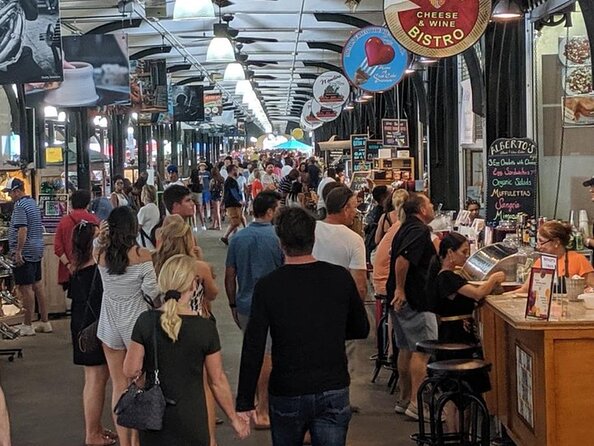
- French Market and its rough reputation: explore the area known for danger in earlier years
- May Bailey’s Place and early legal brothel history: see how the city handled sex work differently than you might expect
A 2-Hour Walk Through New Orleans’ Sex, Power, and Secrets
This is not the usual postcard New Orleans tour. You’re here for the vice and red-light history story, told through streets, buildings, and the people who were pushed, sold, managed, and sometimes sold again. The vibe is factual and guided, but it doesn’t shy away from how ugly the systems were.
What I like most is that it doesn’t treat this topic like a spooky theme park. Instead, it connects the dots between the French Quarter’s older institutions, the rise and fall of Storyville-era activity, and what New Orleans built after it decided to stop pretending everything was fine.
You’ll also spend the day thinking in layers: religion versus control, entertainment versus exploitation, and how neighborhoods get replaced without erasing the past. It’s heavy, but it’s also smart history, the kind that helps you read the city instead of just walking through it.
You can also read our reviews of more tours and experiences in New Orleans.

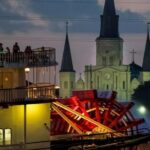

Getting Oriented: Chartres Street Start and Louis Armstrong Park Finish
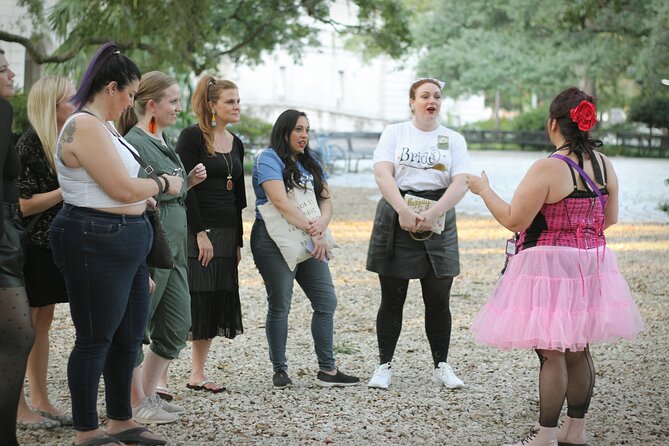
The tour starts at Chartres Street & Ursulines Avenue at 2:00 pm. It ends at Louis Armstrong Park, 701 N Rampart St. That end point matters. You’re not just dropped back into the French Quarter maze. You’re taken to a place with seating and shade where the guide can point out what used to be there and what replaced it.
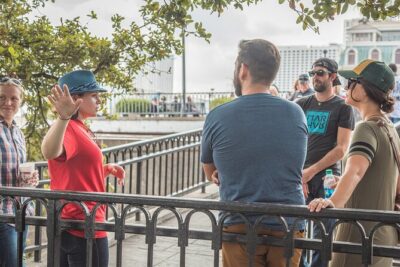
It runs about 2 hours on foot, and the group size is kept small, with a maximum of 15 people. That helps the guide keep explanations clear without turning the walk into a slow line of commuters.
A practical note: this is an outdoor walk in New Orleans heat. You’ll want comfortable shoes and a water plan. The good news is the tour builds in short breaks—especially at Lafitte’s—so you’re not stuck outside for the entire two hours.
Ursulines Convent: New Orleans’ Oldest Stones and a Hard Story
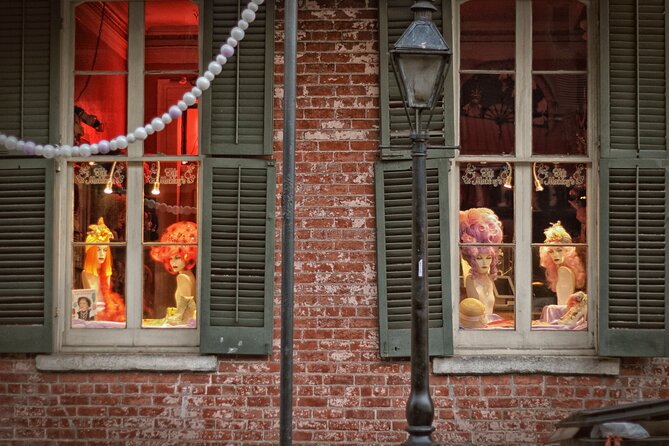
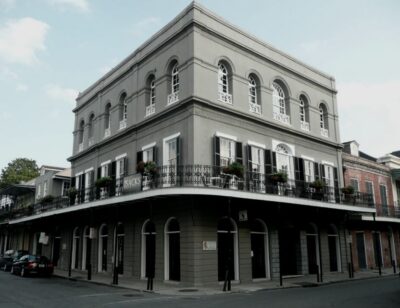
One of the first stops is the convent of the Ursulines nuns, described as the oldest building in the French Quarter, with construction beginning in 1727. This is where the tour gets serious fast, because the guide frames how colonial power worked—who got sent where, and how institutions used women as leverage.
You’ll hear how the church and King Louis XV became tied to forcing more women into the colony, and how the nuns were said to keep correction girls in line, including brutal public punishment. It’s the kind of subject that makes you stop and think about how the same buildings that look calm and historic can also be linked to coercion.
If you’re the type who likes your history with names, dates, and systems—not just vibes—this stop will land. Even if the details feel grim, the physical place helps you understand the scale of what was going on.
Lafitte’s Blacksmith Shop Bar: Smuggling Talk and a Heat Break

Next you’ll head to Lafitte’s Blacksmith Shop Bar. This stop is short, around 10 minutes, but it’s packed. The guide focuses on the building’s history and explains why it worked as a smuggling front.
You also get something practical: a break. The tour notes that you can cool down here in the heat, and since admission is free for this stop, it’s not another cost or chore. Think of it as both a story stop and a moment to reset your legs and brain.
Even if you’re not normally into bars-as-history, this one works because it’s tied to how New Orleans functioned behind the scenes. It also sets the tour tone: New Orleans didn’t just have vice. It had infrastructure.
Marie Laveau Birthplace: Voodoo Leadership and Money
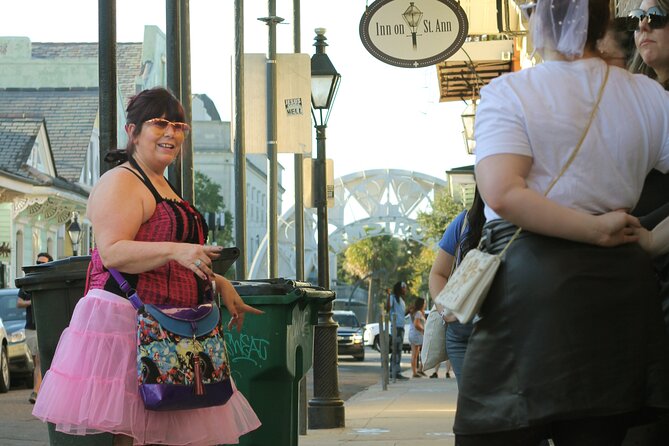
Then comes Marie Laveau—but with a twist. The tour doesn’t focus on a shop stop. Instead, you’ll go to the real Marie Laveau birthplace and talk about her as a voodoo leader.
The guide also addresses the uncomfortable practical question of how power turns into profit. The tour description is blunt about her making her money, describing her as a high-class madam type figure. In other words, it’s not just spells and legends. It’s economics, reputation, and influence.
This is also a stop of about 7 minutes with admission listed as free. It’s brief enough that it won’t feel like you’re stuck at one corner. And it’s strong enough that you’ll walk away with a clearer picture of why her story still echoes in New Orleans today.





From French Market to the Golden Lantern: Where Trouble Was Everyday
The tour also builds in time around French Market, described as a place that was considered the most dangerous in the city years back. That reputation alone helps you rethink the French Quarter. This wasn’t just pretty streets and charm. People were selling, trading, hiding, and hustling long before the tourist trail existed.
Another named stop point is the Golden Lantern, where you hear about the Southern Decadence story. This part matters because it frames vice not only as commerce, but also as performance—public rituals and social scenes that people used for status, entertainment, and staying safe in a harsh world.
If you like tours that connect culture to power, these stops are where the tour feels most like New Orleans. You’re not only looking at sites. You’re learning how the city used spectacle and secrecy to move through moral boundaries.
May Bailey’s Place: First Legal Brothel History Without the Sanitizing
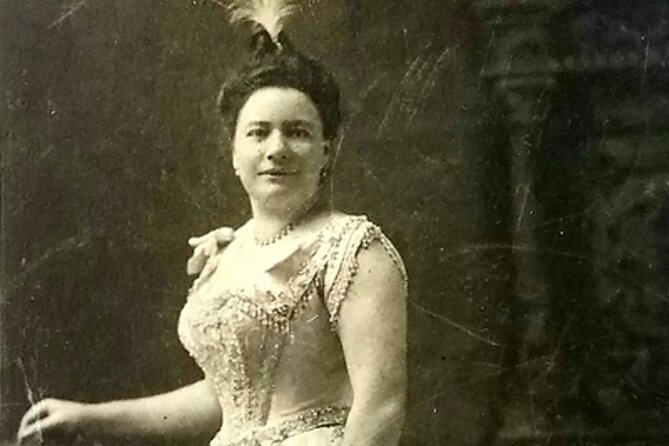
One of the highlights is May Bailey’s Place, noted as the first legal brothel in New Orleans. The tour doesn’t treat this like a scandalous diversion. It treats it like a clue about how the city handled sex work when it wanted to control it.
The big value here is perspective. You’ll see that legality and exploitation can share the same address. “Legal” didn’t automatically mean “safe.” It often meant regulated—managed by whoever held the keys to society.
This stop ties together the themes you’ve heard earlier: institutions controlling women, neighborhoods profiting from vice, and the constant question of who gets protected and who gets used. By the time you reach the end of the walk, you’ll likely feel the weight of the whole story, not just the shocking moments.
Louis Armstrong Park: The View That Makes Storyville Make Sense
The final stretch takes you to Louis Armstrong Park, about 25 minutes in the plan. This is where the tour helps your brain do a city-scale timeline.
The guide explains that the decadent palaces thrown up in Storyville on Basin St. were replaced by the Iberville Projects. You’re positioned to look over the area where Storyville used to be, and the tour description highlights that there’s enough seating and shade for guests to sit and view photos while hearing about its wildest characters.
This is a smart way to end. It gives you a visual anchor, plus a pause where you can catch up on what you just learned without rushing to the next corner. If you’ve ever left a history tour feeling like everything happened in your head but not on the map, this ending helps fix that.
Price, Group Size, and Practical Value for $35
At $35 per person for about two hours, this is a reasonable value for a guided walk with multiple historical stops and free entry for at least two specific stops (Lafitte’s Blacksmith Shop Bar and the Marie Laveau birthplace). It’s also small-group friendly, capped at 15 people, which matters for this kind of topic.
The other value is pacing. The tour includes short time boxes—like 10 minutes here, 7 minutes there—so you can handle the heavier story beats without getting lost in one location too long. The guide quality also shows up in past feedback, with praise for a fun, friendly style and extra architecture and city tidbits.
And while there are suggested cocktail moments at the start and during one break, drinks are not included. If you want alcohol, budget for it. If you don’t, you can still enjoy the stops because the focus is the history.
Should You Book the Badly Behaved Women Tour?
Book it if you want a New Orleans tour that treats vice history as real history, not just entertainment. This is best for people who enjoy French Quarter landmarks, Storyville context, and guides who add city detail beyond the obvious.
Skip it if dark themes will wear you down. You’ll hear about coercion and public punishment linked to colonial power, and that’s not a “laugh while you walk” kind of lesson.
If you’re deciding last-minute, one more nudge: it’s an experience that tends to book ahead (often around 30 days), so grab a spot early if your dates are firm.
FAQ
How much is the tour?
It costs $35.00 per person.
How long is the tour?
It runs for about 2 hours.
Where does the tour start and what time does it run?
Meet at Chartres Street & Ursulines Avenue at 2:00 pm. It ends at Louis Armstrong Park.
What language is the tour offered in?
The tour is offered in English.
What’s the group size limit?
The tour has a maximum of 15 travelers.
Is alcohol included?
No. Alcoholic beverages are not included, though there are suggestions for historic cocktails.
What stops are included during the walk?
Key stops include the Ursulines convent, Lafitte’s Blacksmith Shop Bar, the Marie Laveau birthplace, and Louis Armstrong Park, plus additional points tied to French Market, the Golden Lantern, and May Bailey’s Place.
Are there any admission costs at Lafitte’s or Marie Laveau’s birthplace?
For those specific stops, the listing shows admission ticket free.
What’s the cancellation policy?
You can get a full refund with free cancellation up to 24 hours before the start time. Less than 24 hours before start is not refunded.