REVIEW · NEW ORLEANS
New Orleans: Vampires, Voodoo, and Ghosts Tour
Book on GetYourGuide →Operated by Tour Orleans · Bookable on GetYourGuide
New Orleans gets spooky on foot. This vampires, voodoo, and ghosts tour mixes legend and real places in the French Quarter, with a guide who keeps it historically grounded while you walk between famous (and infamous) landmarks. If you’ve seen the TV references and wondered what the streets are actually hiding, this is the kind of tour that puts the stories back where they belong: in the city itself.
I love that it’s paced as a relaxed 90-minute stroll—just under a mile—so you’re not rushing like a pack of zombies. It’s also alcohol friendly, which fits the spirit of the Quarter, and you’ll get frequent stops plus restroom breaks so the scary part stays fun, not stressful.
One thing to plan for: the wheelchair access is real, but the streets aren’t smooth. Expect uneven sidewalks, so bring patience and take your time at street crossings.
In This Review
- Key highlights
- Entering the French Quarter at the Red Door
- Your guide: the licensed historian factor
- The walking pace: just under a mile of stops
- Lalaurie Mansion: the TV-to-street connection you’ll actually understand
- Old Ursuline Convent: when a building becomes a legend
- The first vampire sighting story in the Crescent City
- May Bailey’s Brothel: ghost fame meets real-era context
- Sultan’s Palace, Pirates Alley, and the darker side of local fame
- Voodoo temples and occult themes, explained through place
- Alcohol friendly and question friendly: how the vibe works
- What $25 gets you in New Orleans time
- Who should book this tour (and who might not love it)
- Should you book the Vampires, Voodoo, and Ghosts Tour?
- FAQ
- How long is the tour?
- Where do I meet the guide?
- Is the tour wheelchair accessible?
- What’s included in the price?
- Is the tour alcohol friendly?
- How much does it cost?
- What language is the tour offered in?
- Can I cancel if my plans change?
Key highlights
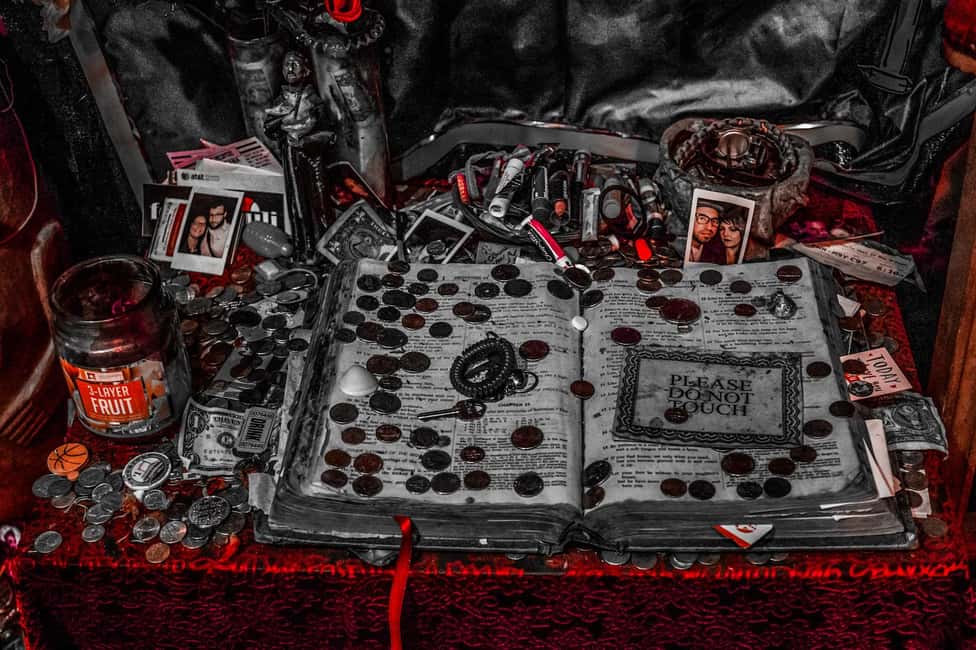
- Lalaurie Mansion, made even more famous by American Horror Story: Coven
- Old Ursuline Convent sightings and stories that still cling to the area
- Crescent City vampire lore, including the first sighting story the tour covers
- May Bailey’s Brothel, tied to Travel Channel’s Ghost Adventures (and what came before that fame)
- Pirates Alley and Lafitte sites, where lawless history and legend overlap
- Voodoo temples and occult themes, explained through the lens of place and time
Entering the French Quarter at the Red Door
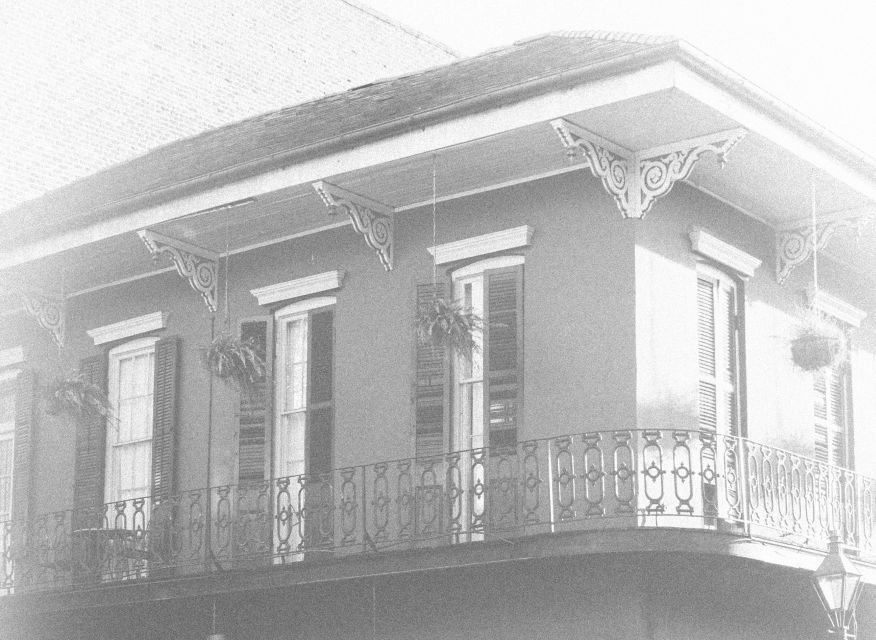
You’ll meet by looking for the Red Door ticket booth at 620 Decatur St. #600, right in the French Quarter. The tour starts and ends back at the same spot, which helps if you want a clean plan for dinner or a nightcap after.
The vibe here is simple: shoes on, curiosity up. This tour is designed for a walking route that’s short enough to feel manageable but packed enough to keep you engaged. You’ll be out for about 1.5 hours (about 105 minutes depending on the start time), with a guide who stops often to point things out and tell the stories behind them.
You can also read our reviews of more tours and experiences in New Orleans.
Your guide: the licensed historian factor
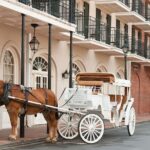
This tour is led by a licensed historian, and that matters more than you’d think. Plenty of “ghost tours” trade accuracy for drama. Here, the guide’s job is to connect what you’re seeing with what people said, wrote, feared, or believed at the time.
The style can vary a bit by guide, but the common theme shows up in the praise: fast storytelling, lots of facts, and an easy way to ask questions. Guides with names like DJ, Gomez, Wesley, Jamie, Orion, Maddie, Bubbi, Payton, and Sean have all been highlighted for keeping the mood fun while staying factual and clear. That mix is why the tour tends to work for both history buffs and people who just want something spooky that isn’t empty.
The walking pace: just under a mile of stops

You’re looking at a leisurely stroll of just under a mile. The point isn’t to cover ground. It’s to slow down enough to hear the stories and actually notice details at each stop.
Expect frequent pauses along the way. That keeps the tour from feeling like a fast slideshow, and it also makes it easier to handle the practical stuff: photos, questions, and bathroom breaks. If you’re traveling with a friend who gets tired easily, the pacing is usually a win because it’s not nonstop walking.
Also, it’s alcohol friendly, so if that’s your kind of New Orleans night, this fits better than tours that feel like a strict museum line. Just keep it sensible; the tour is still a walk with real street steps and uneven pavement in places.
Lalaurie Mansion: the TV-to-street connection you’ll actually understand
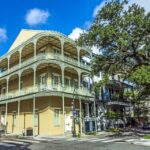
The Lalaurie Mansion is one of the stops everyone talks about, especially if you’ve seen it referenced in American Horror Story: Coven. What’s valuable here isn’t the pop-culture nod itself—it’s how the tour uses the mansion as a doorway into the real-world story and the way rumors and horrors spread.
At this kind of landmark, it’s easy to get stuck in myths. A good historian guide helps you separate what the setting represents from what the shows borrowed for drama. Even if you only knew the mansion from TV, you’ll leave understanding why the story stuck around and how New Orleans folklore and history keep crossing paths.
Old Ursuline Convent: when a building becomes a legend
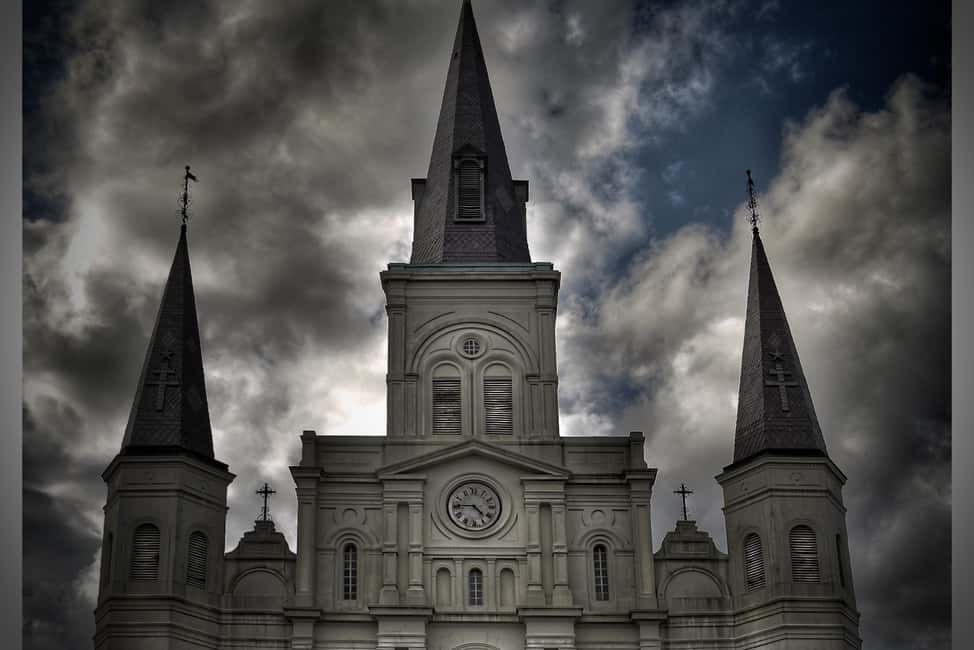
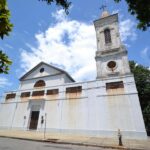
Another key stop is the Old Ursuline Convent. Convents, schools, and religious buildings tend to attract stories because they’re tied to long timelines—who lived there, what rules shaped daily life, and how later generations interpreted what happened.
This tour uses the convent area to show how “haunting” narratives form. You don’t need to believe every ghost story to appreciate why people did, why the tales changed, and why the location feels like a magnet for mystery. It’s one of those stops where the guide’s ability to keep things grounded makes the spookiness land without turning into guesswork.





The first vampire sighting story in the Crescent City
If vampires are your weakness, this tour has a specific thread: it covers the story of the first sighting of vampires in the Crescent City. This is where the tour shifts from spooky atmosphere to straight-up narrative history.
What you should take away isn’t just the timeline of the vampire lore. It’s how New Orleans got labeled and re-labeled over time, with fear and fascination growing around stories. The guide’s job is to connect the legend to what people were talking about then, and it’s a fun way to see how myths become part of a city’s identity.
May Bailey’s Brothel: ghost fame meets real-era context
You’ll also hit May Bailey’s Brothel, which the tour ties to Travel Channel’s Ghost Adventures. That TV connection can pull you in fast, but the better part is how the tour treats the location as more than a set piece.
This stop works well if you like stories that have layers: entertainment in modern media, then older history beneath it. You get a sense of how New Orleans has long been both tourist-facing and rumor-generating, and how “mayhem” stories can grow roots when they’re attached to a known address.
Sultan’s Palace, Pirates Alley, and the darker side of local fame
The tour isn’t all “boo” and bats. You’ll see Sultan’s Palace, and you’ll walk through Pirates Alley, plus you’ll learn about connections that include Lafitte Blacksmith Shop.
These stops are great for a simple reason: they show that New Orleans isn’t only famous for ghosts. It’s also famous for vice, clever reinvention, and characters who didn’t fit polite society. Pirates Alley and Lafitte-related landmarks are where the city’s lawless legend becomes part of the street map, so you’re not just hearing generic horror stories—you’re getting horror that has a past.
If you like your spooky with a side of grit, these are your “keep walking, keep listening” stops.
Voodoo temples and occult themes, explained through place
A big part of the tour is voodoo temples and other occult themes. The value here is the guide’s approach: using location and context rather than just theatrics.
This is also a good tour segment for asking questions. If you’ve heard conflicting versions of what voodoo means, or how people talk about it in pop culture versus real life, a careful historian guide can help you sort what’s cultural storytelling from what’s simply modern myth-making. You don’t have to treat every claim as literal truth to enjoy the way the city’s spiritual themes show up in architecture, names, and local memory.
Alcohol friendly and question friendly: how the vibe works
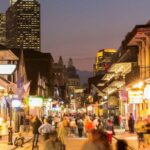
The alcohol-friendly note isn’t just marketing. It matches how the French Quarter actually functions at night—people stroll, people talk, people snack, and conversation flows. This tour tends to keep that social energy without turning into a chaotic pub crawl.
A highly praised part of the experience is that the guide often encourages interaction. Some guides are described as letting people ask questions and giving solid advice about the city. That’s a big deal because it means you’re not stuck passively absorbing spooky facts. You can steer your attention toward what you care about: vampires, voodoo, pirates, or just the human story behind why these places got labeled haunted.
What $25 gets you in New Orleans time
At $25 per person for about 90 minutes of guided walking, this is priced like a serious value play. You’re not paying for transit. You’re paying for a guide who can connect multiple landmarks, keep the pace humane, and answer questions in a way that stays factual.
In practical terms, it’s a solid choice if you want a fun night that also builds context. New Orleans can be overwhelming—there’s so much to look at. This tour reduces that chaos by giving you a thread: vampires, voodoo, ghosts, pirates, murder tales, and witchcraft themes, tied to specific sites. If that’s the kind of story structure you like, $25 feels fair for the time you get.
Who should book this tour (and who might not love it)
Book it if you want:
- A guided walk that mixes spooky stories with a historian’s framing
- A route that’s short and manageable (just under a mile, frequent stops)
- A tour that references famous media while still aiming for historical accuracy
Consider skipping it if you want a purely quiet, candlelit ghost vibe with no walking interruptions. This is lively and story-driven. If you strongly dislike any pop-culture references or don’t enjoy walking through active streets, you might find the environment less calm than you hoped.
Should you book the Vampires, Voodoo, and Ghosts Tour?
If you’re in New Orleans for a short stay and you want one activity that gives you both entertainment and context, I’d say yes. The biggest win is that the tour uses famous “haunted” locations—like Lalaurie Mansion and the Old Ursuline Convent—as anchors for stories that connect to the city’s identity, not just random scares.
For $25, you’re getting a licensed historian-led walk that stays paced, question-friendly, and alcohol-friendly, with enough stops that the stories don’t blur together. Just plan for uneven sidewalks, and go in expecting a walking story tour of the French Quarter’s darker legends—grounded enough to be satisfying, spooky enough to be memorable.
FAQ
How long is the tour?
It’s listed as 1.5 hours / 105 minutes (starting times can vary, so check availability for your exact start).
Where do I meet the guide?
Meet at the Red Door ticket booth at 620 Decatur St. #600 in the French Quarter.
Is the tour wheelchair accessible?
Yes, it’s wheelchair accessible, but the streets are far from even, so it may be uneven or uncomfortable for wheelchairs.
What’s included in the price?
You get a local historian guide and the 90-minute tour.
Is the tour alcohol friendly?
Yes, it’s described as alcohol friendly.
How much does it cost?
The price is $25 per person.
What language is the tour offered in?
The tour is in English.
Can I cancel if my plans change?
Yes. It offers free cancellation up to 24 hours in advance for a full refund.