REVIEW · NEW ORLEANS
New Orleans Pestilence, Pandemic and Plague Tour
Book on Viator →Operated by Unique NOLA · Bookable on Viator
Sick history, straight-faced and funny. This 2-hour New Orleans tour connects plagues and pandemics to places you’ll actually see—starting at the Pharmacy Museum and ending in the middle of the French Quarter. It’s part history lesson, part city orientation, with a guide handling the route so you can focus on the stories.
I love how the pacing stays manageable for a short walking tour, and how the guide keeps you moving without the usual wandering and wrong turns. I also love the human tone that shows up with guides like Mikko—smart, quick on the details, and not trying to scare you into leaving.
One thing to consider: the topic packs a lot into a small window. If you’re sensitive to noise or you have trouble hearing in a group, you’ll want to position yourself well so you don’t miss key points.
In This Review
- Key Things You’ll Notice on This Plague, Pandemic, and Pestilence Walk
- Why This New Orleans Tour Works (Even If You Think You’ve Heard It All)
- The Route Starts at Toulouse, Ends at Bourbon (And It Matters)
- Cost and Value: $37 for a 2-Hour Guided Walk (What’s Included, What Isn’t)
- First Stop: New Orleans Pharmacy Museum (Medicine Meets Mortality)
- Jackson Square: The Center Where Disease Stories Sound More Real
- The French Quarter Plague Stops: Where Small Details Get You
- Guides Make the Difference: Mikko, Dalvin, Dane, and Anderson
- What to Wear and Bring for a Comfortable 2 Hours
- Is This Tour Grim, or Is It Actually Fun?
- A Potential Downside: Hearing the Guide and Information Density
- Who This Tour Is Best For
- Quick Booking Checklist (So You Don’t Waste Time)
- Should You Book New Orleans Pestilence, Pandemic and Plague?
- FAQ
- FAQ
- How much does the New Orleans Pestilence, Pandemic and Plague Tour cost?
- How long is the tour?
- What stops are included on the tour?
- Is admission included for the Pharmacy Museum?
- What’s included in the price besides the guide?
- Where does the tour start and end?
- What time does the tour begin?
- Is the tour only for people who can walk comfortably?
- Can I bring a service animal?
- What is the cancellation policy?
Key Things You’ll Notice on This Plague, Pandemic, and Pestilence Walk
- Pharmacy Museum context first: you start with medical history framing before you walk into the city stories
- No-get-lost direction help: the guide takes care of where you turn next
- French Quarter spread: you see multiple plague-and-pandemic related stops without feeling rushed
- Jackson Square as a hub: you get the big-picture “center of it all” feeling before the smaller stories
- Small-group feel: up to 56 people, with enough control that the tour can stay on pace
- A lighter tone when it fits: humor shows up alongside the lessons, so it doesn’t turn into pure gloom
Why This New Orleans Tour Works (Even If You Think You’ve Heard It All)
New Orleans has a talent for making the past feel present. This tour uses that superpower, but it points the flashlight at a darker theme: pestilence, pandemics, and plague, and how they shaped the city’s choices and culture. The goal isn’t shock for shock’s sake. You’re walking with a guide who explains how disease changed daily life and public thinking—and how that history shows up in visible places.
What I like is the structure. You don’t just get random horror stories. You start with a museum stop that gives medical context, then you move outward into the streets, squares, and notable French Quarter sites. That order helps your brain connect “symptoms and systems” to “real streets and real locations.”
And the tour is built for comfort and flow. It’s about two hours, it’s in English, and it’s designed so you’re guided through the walking route. Even when you’re curious, a good tour should keep you from getting stuck or lost. This one tries hard to do that.
You can also read our reviews of more tours and experiences in New Orleans.



The Route Starts at Toulouse, Ends at Bourbon (And It Matters)
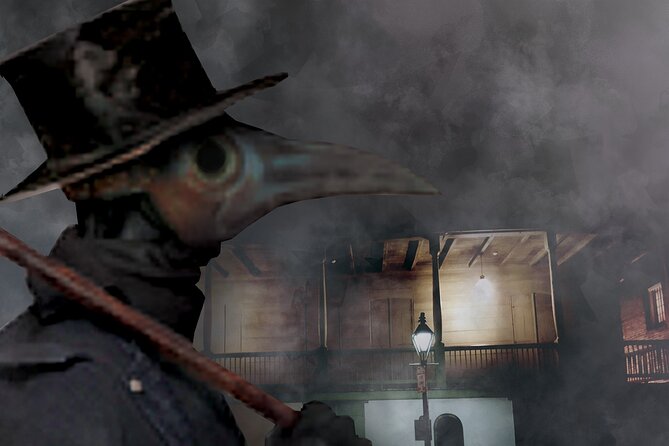
You’ll meet at 815 Toulouse St and the tour starts at 1:00 pm. You finish at Bourbon St & Dumaine St, which is a solid spot to keep exploring right after—especially if you want to grab a snack, browse nearby shops, or simply continue your French Quarter loop.
This matters for two reasons:
- You avoid that post-tour awkwardness where you’re stranded far from everything.
- You end in an area where you can easily connect to public transportation and other plans.
The tour is also capped at 56 travelers, which usually keeps things from turning into a crowded street parade. It’s not “private,” but it’s also not the kind of mass group where you lose the guide in the crowd.
Cost and Value: $37 for a 2-Hour Guided Walk (What’s Included, What Isn’t)
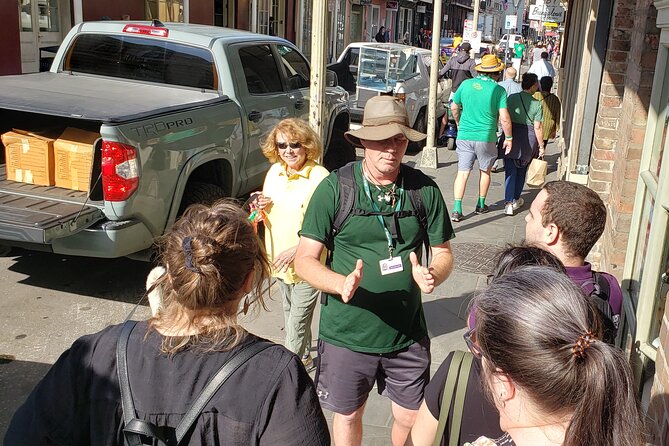
The price is $37 per person for about two hours. That’s a fair number in New Orleans—especially because what you’re really buying is time with a professional guide who can connect the dots between history, medicine, and places in the French Quarter.
Here’s the one cost wrinkle to plan for: the New Orleans Pharmacy Museum admission isn’t included. The stop there is around 20 minutes, and you’ll want to budget for that museum entry separately. The good news is that Jackson Square and the French Quarter stops are free.
If you’re watching your budget, this is still good value. You’re paying for interpretation and direction, not paying to stand around. And because the tour is guided, you’re less likely to waste time trying to match plaques and locations on your own.
One more practical note: this experience is often booked ahead (on average, about 42 days in advance). If you’re traveling during busy seasons or you want a specific day, booking sooner usually makes your life easier.
First Stop: New Orleans Pharmacy Museum (Medicine Meets Mortality)
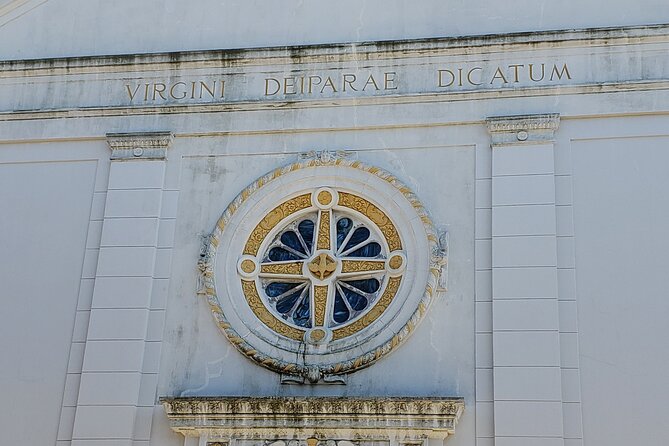
You’ll start at the New Orleans Pharmacy Museum. The stop runs about 20 minutes, and again, the admission ticket is not included. I like starting here because it sets a foundation. When you later walk through the French Quarter, you’ll have a clearer idea of what people meant by “health,” “treatment,” and “medical thinking” during different outbreaks.
This museum stop also helps you avoid a common problem with themed walking tours: everything becomes a collection of trivia. Instead, the guide can connect street-level stories to how medicine and public health were understood at the time. Even if you’re not a medical history person, you’ll likely find the framing useful—because it shows the limits, beliefs, and workarounds people used back then.
Also, the tone is not automatically gross or doom-heavy. One guest specifically noted it didn’t feel grim in a gross way. That’s important, because plague history can go wrong fast if the guide leans too hard on shock.
Jackson Square: The Center Where Disease Stories Sound More Real
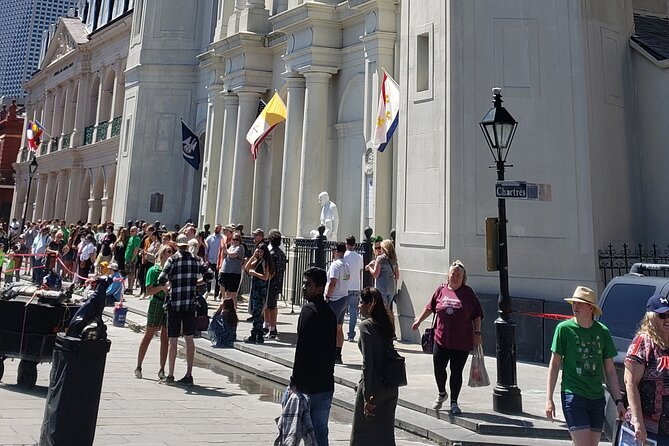
After the museum, you head to Jackson Square, the heart of the French Quarter. This stop is about 20 minutes, and it’s free.
Why it works: Jackson Square gives you a “big picture” setting. It’s where the city’s public life gathers, so it’s a good place to talk about how epidemics and pandemics affect more than just individuals. You can think about how fear, movement, and public order change when people feel at risk.
In other words, the square isn’t just a pretty meeting point. It’s a stage that helps the guide explain how outbreaks ripple outward.
And since Jackson Square is open and central, it’s also a useful moment to reset your bearings before you move into the tighter streets and corners of the French Quarter.





The French Quarter Plague Stops: Where Small Details Get You
The bulk of the tour happens through the French Quarter, with about 1 hour 20 minutes devoted to the city stops. These stops are free.
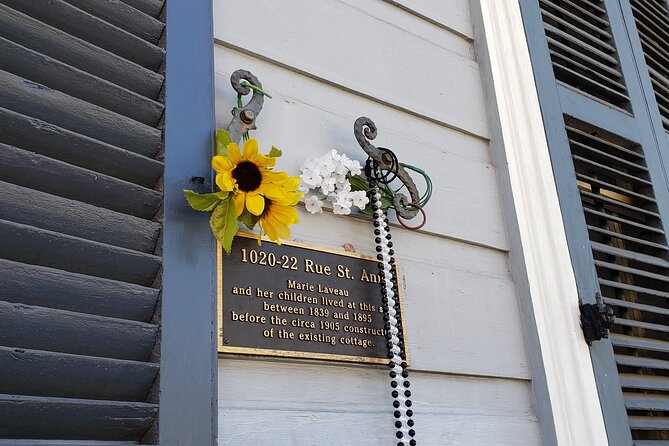
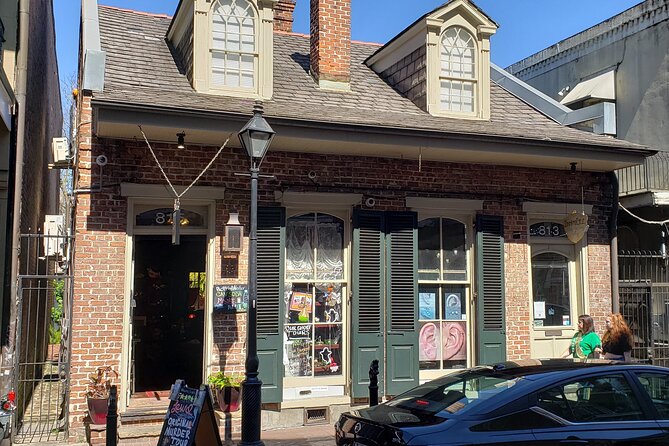
This is where the tour’s value really shows. You’re not just walking from landmark to landmark. You’re being directed to specific points that tie into historic and more recent outbreaks—places where the city’s built environment, daily habits, and public awareness intersect.
A few highlights you can look out for based on past tour experiences:
- The guide calls attention to things you’d normally walk past without noticing.
- Expect at least one moment that triggers a “wait, I’ve never looked at that before” reaction—one guest singled out an in-ground garbage view as a memorable detail.
- You may get prompts that change how you interpret everyday features, like railings and how people modify spaces, even for practical reasons.
This is the kind of tour where your brain starts to connect “why does the city look like this?” to “what problems were people trying to solve?” If that kind of pattern-spotting sounds fun, you’ll be in the right place.
Guides Make the Difference: Mikko, Dalvin, Dane, and Anderson
A big part of why this tour rates so well is the guide style. The guides here tend to be both serious about the material and human with delivery.
Mikko, for example, is mentioned for rapier wit and deep city knowledge, with a pacing that can feel just right—one review even described an experience that turned into a 1:1 tour and still kept a perfect rhythm. Dalvin is described as entertaining and insightful, with a knack for connecting obscure details to the main topic, plus good common sense about hydration and resting in New Orleans heat and humidity.
Dane is noted for knowledge that links disease history to how the city culture formed across time. Anderson gets praise too for being knowledgeable and making the history feel worth the money. Across these accounts, you see the same pattern: the guide doesn’t just recite facts. They explain why the story matters and how it shows up around you.
If you’re the type who likes asking questions, you’ll probably enjoy how guides keep room for intelligent back-and-forth.
What to Wear and Bring for a Comfortable 2 Hours
This is a walking tour, and the tour notes call for moderate physical fitness. That doesn’t mean it’s extreme, but it does mean shoes matter.
I’d plan for:
- Comfortable walking shoes with grip.
- Water, especially in warm months. One past guest specifically mentioned waters provided at the start, but I still think you should bring your own just in case.
- Sun strategy. Another review praised a guide for being aware of standing in shade versus sun, so it can help to wear light layers and adjust as needed.
Also, because the tour ends at a busy intersection, you’ll want to keep your phone charged if you plan to navigate afterward.
Is This Tour Grim, or Is It Actually Fun?
It’s about disease, so there’s no way to make it totally “happy.” But it doesn’t have to be morbid in a nauseating way. Multiple people highlight that it’s educational and unique without becoming gross.
What makes it feel lighter is the mix of:
- Humor and storytelling tone
- Focus on how outbreaks shaped daily life
- The fast pacing of a guided route that doesn’t drag
One review summed up the vibe well: it didn’t feel grim and gross. It felt educational, with an engaging guide and even some Mardi Gras-era context thrown in since the tour can run during festival season.
If you want your history walks to feel alive—not dusty—this tour is built that way.
A Potential Downside: Hearing the Guide and Information Density
There is one caution worth taking seriously: one guest reported being unable to hear the speaker and also feeling like it was easy to get lost with the subject. That doesn’t mean the tour is poorly run, but it does point to what you should do to protect your experience.
My advice:
- Arrive a few minutes early so you can choose a good spot at the front or side.
- Don’t stand in a place where other groups block your view.
- If you’re prone to missing audio, pick a position where the guide’s voice carries.
Because the tour is short, the guide covers a lot. Dense topics can feel overwhelming if you’re not hearing clearly—so your placement matters.
Who This Tour Is Best For
This is a great fit if you:
- Like New Orleans history that connects to real systems (medicine, public health, community behavior)
- Enjoy tours where you’re not wandering—someone else does the routing
- Want something different from the usual haunted-hardware style French Quarter walks
It’s also a smart pick for “history nerds” who like medical background without needing a medical degree.
If you’re traveling with kids, it can work too, as long as they can handle a serious topic with a guided explanation. One family group loved it, describing it as fun even while learning about death and disease history.
Quick Booking Checklist (So You Don’t Waste Time)
- Plan for English tour delivery.
- Bring patience for a short but packed walk.
- Budget separately for Pharmacy Museum admission.
- Wear shoes for standing and walking in a warm city.
- If you’re going soon, book ahead since it’s often reserved about 42 days in advance on average.
Should You Book New Orleans Pestilence, Pandemic and Plague?
If you want a French Quarter tour with a twist that’s actually grounded—medicine, outbreaks, and how the city handled scary realities—this one is worth your time. The near-perfect satisfaction (a 4.9 rating and 96% recommended) lines up with what matters most: strong guiding, good pacing, and details you’ll carry with you after you walk away.
Book it if you like guided structure, don’t want to figure out plague-related sites on your own, and you’re curious about how public health shows up in the streets. I wouldn’t hesitate because it’s not only for the medically minded. The stories are explained in a way that keeps the walk moving and the tone approachable.
The only reason to skip is if hearing the guide is a consistent challenge for you or you prefer lighter, less serious themes.
FAQ
FAQ
How much does the New Orleans Pestilence, Pandemic and Plague Tour cost?
It costs $37.00 per person.
How long is the tour?
The tour runs for about 2 hours.
What stops are included on the tour?
You’ll visit the New Orleans Pharmacy Museum, Jackson Square, and multiple stops across the French Quarter related to pandemics and plague.
Is admission included for the Pharmacy Museum?
No. Admission to the New Orleans Pharmacy Museum is not included. Jackson Square and the French Quarter stops are free.
What’s included in the price besides the guide?
The included item listed is a professional guide. A mobile ticket is provided.
Where does the tour start and end?
The tour starts at 815 Toulouse St, New Orleans, LA 70112 and ends at Bourbon Street & Dumaine Street (Bourbon St & Dumaine St, New Orleans, LA 70116).
What time does the tour begin?
The start time is 1:00 pm.
Is the tour only for people who can walk comfortably?
The tour notes say travelers should have a moderate physical fitness level.
Can I bring a service animal?
Yes, service animals are allowed.
What is the cancellation policy?
Free cancellation is available up to 24 hours in advance for a full refund. If you cancel within 24 hours of the start time, the amount paid is not refunded.