REVIEW · NEW ORLEANS
New Orleans: Destrehan Plantation Tour
Book on GetYourGuide →Operated by Destrehan Plantation · Bookable on GetYourGuide
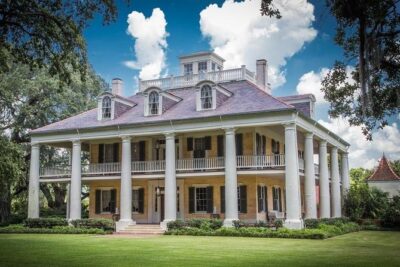
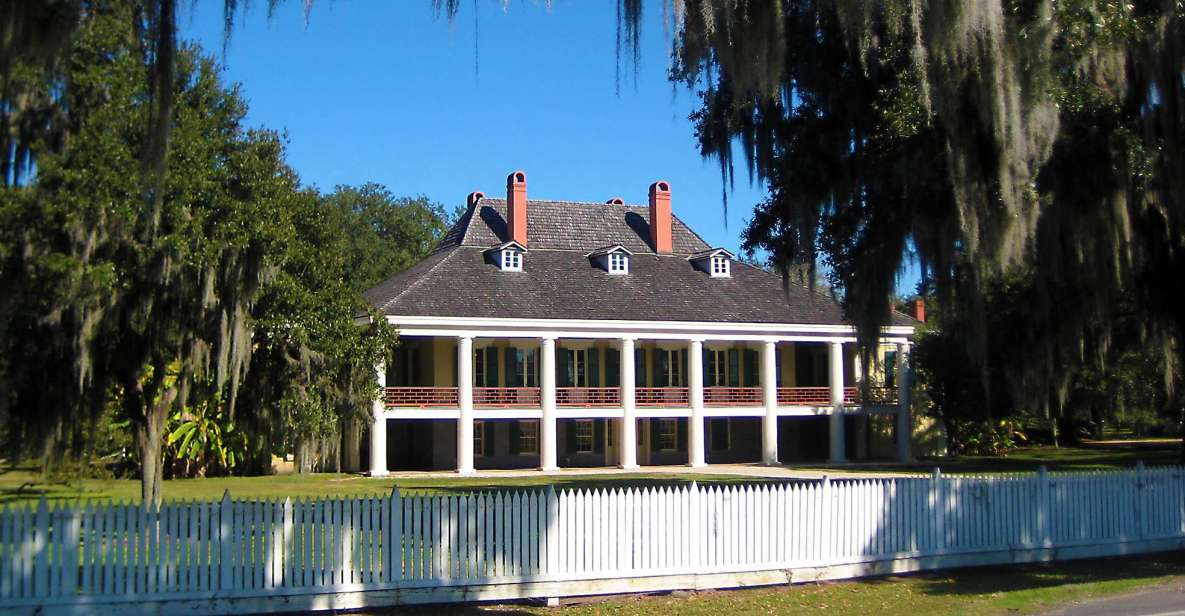
A plantation tour hits different when the story is told plainly and on-site. Destrehan Plantation is Louisiana’s oldest plantation, and the day turns important documents, real buildings, and lived experiences into something you can actually picture. I especially love the chance to see an original document signed by Thomas Jefferson and James Madison, and I also like how the grounds give you quick photo breaks under live oaks draped in Spanish moss.
What really makes this tour worth your time is how it connects the American slave trade to the daily workings of the plantation, not just the big house. The guide-led walk plus the independent exploring around the buildings keeps the story moving, and the guide names you’ll hear (like Beverly and Ann) tend to make complicated topics feel organized. My only real caution is that it is a structured visit: if you want a long, slow wander with lots of unscheduled time, plan to feel guided the whole way.
In This Review
- Key highlights to look for
- From Downtown New Orleans to Destrehan: Quick, Simple Logistics
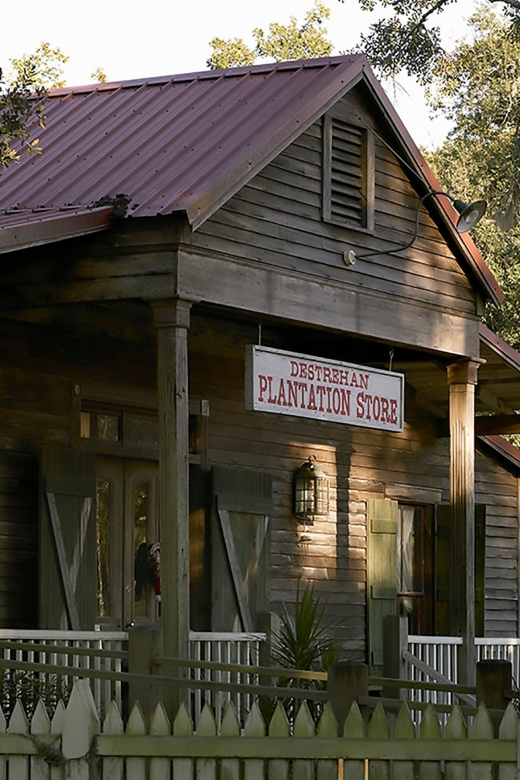
- The Plantation Store Start: Where the Tour Begins
- Jefferson and Madison on Real Paper: Why This Stop Matters
- The German Coast Stories: Free, Enslaved, and the Jean Destrehan Connection
- The House Tour and Folk-Life Demonstration: What You See vs What You Understand
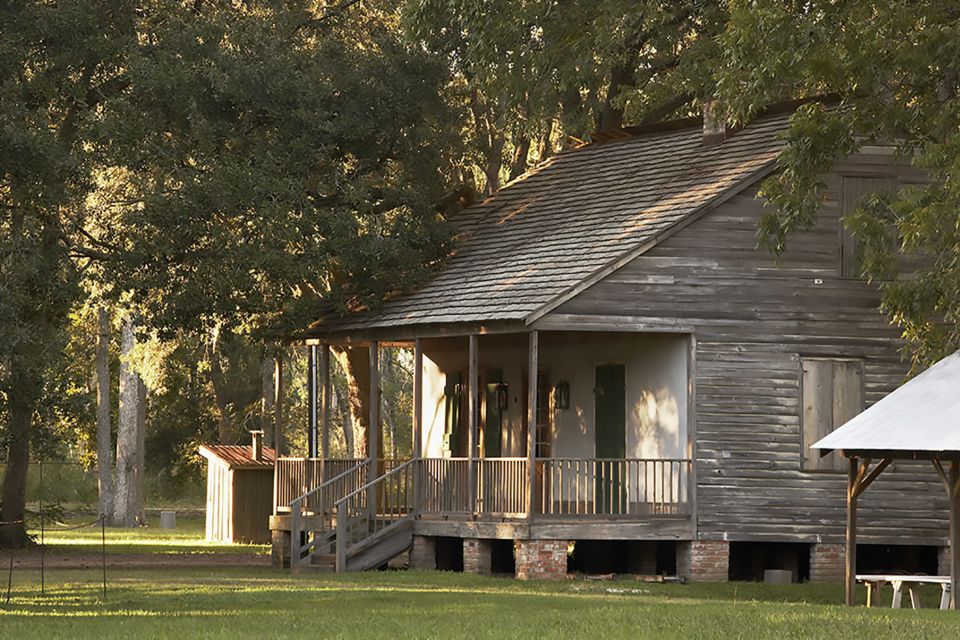
- Dependency Buildings You Can Explore: The Real Work of the Plantation
- Photo Time Under Live Oaks: Spanish Moss on Demand
- Price and Value: Is $29 a Good Deal for This Day?
- Who Should Book Destrehan and Who Might Want Another Option
- Quick Rules That Change Your Day: Shoes, Recording, and Scooters
- Should You Book the Destrehan Plantation Tour From New Orleans?
Key highlights to look for
- An original Jefferson and Madison document tied directly to Louisiana’s story
- Spanish moss live oak photo stops right on the grounds
- German Coast interpretation, including an optional guided segment with a descendant of Jean Destrehan
- Dependency buildings you can self-explore, including a slave cabin with an enslavement registry
- The overseer’s cabin exhibits covering the 1811 Slave Revolt and Rost Home Colony
- Live tour guide in English, with standout named guides like Beverly and Ann
From Downtown New Orleans to Destrehan: Quick, Simple Logistics
The good news is that Destrehan Plantation isn’t a far-away undertaking. You’re looking at a short 25-minute drive from Downtown New Orleans, which makes it realistic as a 1-day plan without eating your whole day in transit.
You’ll also get practical help once you arrive. The experience includes entrance fees, and you’ll have free parking, which matters if you’re coming in your own plans. The tour also skips the ticket line, so you’re less likely to waste time standing around before you even start learning.
One small thing to keep in mind: there’s no hotel pickup and drop-off included. That means you’re responsible for getting yourself there and back, so you’ll want to plan your timing with that in mind.
You can also read our reviews of more tours and experiences in New Orleans.


The Plantation Store Start: Where the Tour Begins
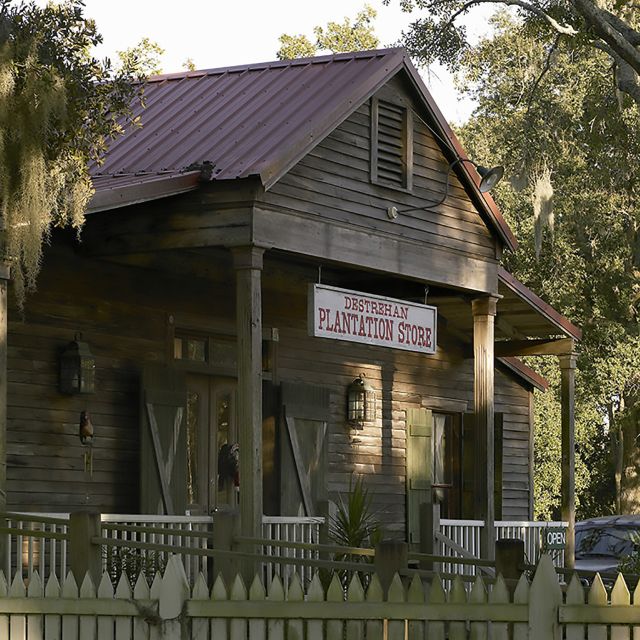
Your cue is straightforward: look for the old Plantation Store when you arrive. The flow is designed to get you from shopping-and-orientation to the grounds quickly.
You enter through the Destrehan Plantation store and gift shop, then exit out the back door onto the property. That transition matters because it shifts you from “museum setting” to “real place,” and it sets the tone for the interpreter who meets you outdoors.
From there, you’ll begin the tour with a personal interpreter. Expect the guide to focus on the people who lived on the plantation, including both free people and enslaved people, and to connect those lives to the broader American slave trade.
Jefferson and Madison on Real Paper: Why This Stop Matters
A huge reason this tour earns strong ratings is the chance to see an original document signed by Thomas Jefferson and James Madison. In many history sites, you get replicas or descriptions. Here, the day gives you the rare experience of seeing something that is the real deal.
What makes this stop more than a “cool artifact” moment is how the interpreter explains its meaning in relation to Louisiana history. You’re not just learning that famous people signed something. You’re learning why that signature lands in Louisiana, and how power and policy shaped the world plantation communities lived in.
If documents are your thing, you’ll likely appreciate how this piece anchors the bigger conversation. Even if you’re not a paperwork person, the way it ties into the plantation story gives the day a spine.
The German Coast Stories: Free, Enslaved, and the Jean Destrehan Connection
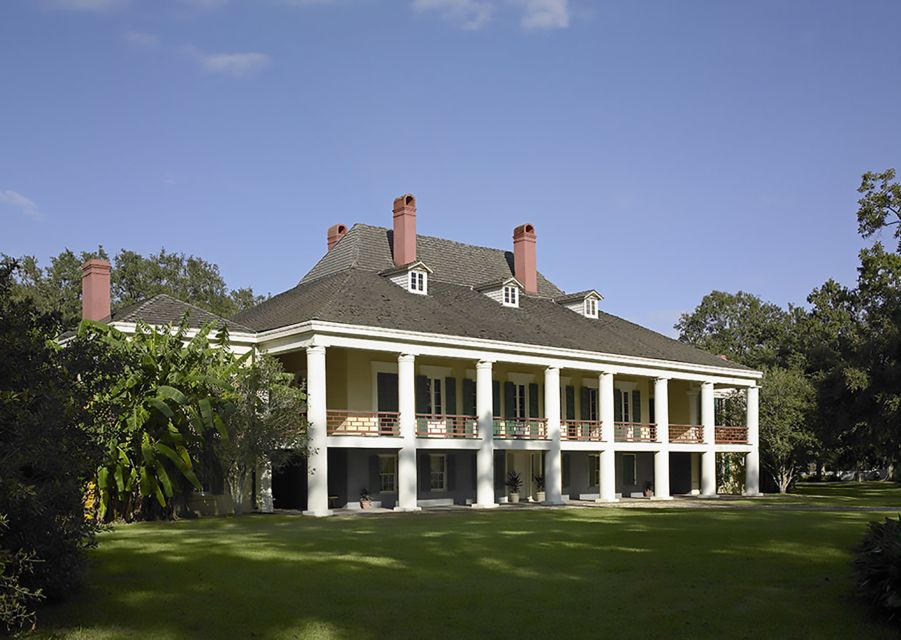
Destrehan Plantation is often discussed through the lens of what people called the German Coast. Here, that theme shows up as part of the interpreter’s storytelling about the community that formed around the plantation.
You can choose a guided tour with a descendant of Jean Destrehan. That optional component is valuable for one simple reason: it gives a direct family-linked perspective to the themes of who shaped the region and how those influences worked together.
Even if you don’t pick the descendant-led portion, the interpreter’s job is still to make the human side clear. The focus stays on the people, not just the architecture. And that includes how free and enslaved people’s lives intersected with the plantation’s daily operation.
For you, the takeaway is that this isn’t only about one “plantation owner.” It’s about a whole system of labor, community, and control that shaped life on the property.
The House Tour and Folk-Life Demonstration: What You See vs What You Understand
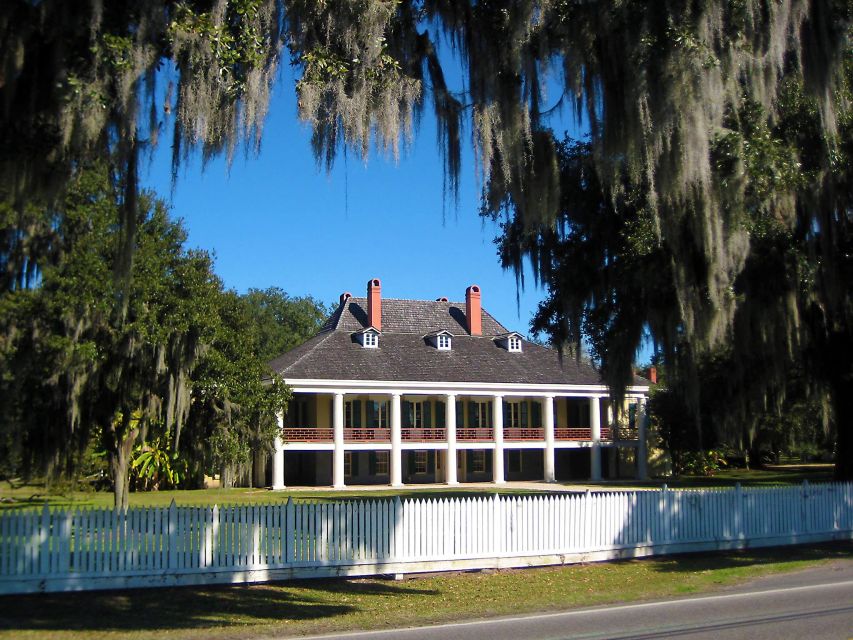
After you get the document and people-centered context, the tour moves through the plantation house experience. House tours at plantations can sometimes feel like a museum of status. At Destrehan, the goal is less about showing off and more about explaining what the household connected to outside the main rooms.
Then you’ll see a folk-life demonstration. This part helps shift your understanding from structures and paperwork to culture and skills connected to everyday life. It’s a helpful counterweight when you’re spending the morning thinking about systems of enslavement and forced labor.
If you’re trying to make sense of the plantation as a working place, this sequence helps. You get architecture and interpretation, then you get cultural practice that makes the lives around the plantation feel more concrete.





Dependency Buildings You Can Explore: The Real Work of the Plantation
The best part of this tour for many people is the way you’re encouraged to explore the dependency buildings after the house tour. This section turns the story from “big moments” into practical details about how the property functioned.
You’ll self-explore several buildings, which gives you control over pacing. That matters because some visitors want to slow down at the exhibits tied to enslavement, while others prefer to move faster and take it all in.
Here are the specific stops you should plan to notice:
Slave cabin with an enslavement registry
This is not a vague reference to slavery. It’s set up like a record you can connect to human lives, and the enslavement registry is the kind of detail that keeps the day grounded.
Overseer’s cabin with the 1811 Slave Revolt and Rost Home Colony exhibits
This is where the tour broadens beyond one property. The 1811 Slave Revolt exhibit connects plantation life to the larger resistance and fear that coursed through slave societies. The Rost Home Colony exhibit adds another layer of how communities were structured and managed.
Outdoor kitchen and washroom
These spaces help you understand daily routines and the physical reality of life on a working plantation. They’re not meant to entertain; they’re meant to explain how the property ran day after day.
Trapper’s cabin
This stop adds another working piece to the overall operation. It signals that a plantation was also an environment managed for labor and resources.
Legacy Room with original documents and family artifacts
This is the “where the paperwork lives” moment. The room displays original documents and artifacts connected to family members, and it helps you connect the family story side-by-side with the plantation system side.
If you’re short on time, don’t try to speed-run this section. You’ll learn more if you pick a couple of buildings to study closely and then let the rest fill in the gaps.
Photo Time Under Live Oaks: Spanish Moss on Demand
Yes, you’ll want photos. The grounds are designed for that, and you’ll find yourself under live oak trees with Spanish moss. The beauty here isn’t just decorative. It’s part of the visual memory that makes the plantation feel specific and real.
Plan your timing so you’re not rushing the story stops just to get a quick shot. If you can, take photos during natural breaks while you’re already moving between areas. That way you’re not constantly stepping out of the tour flow.
Price and Value: Is $29 a Good Deal for This Day?
At $29 per person with entrance fees included, this isn’t priced like a “small add-on.” It’s priced like a real guided experience where you’re paying for interpretation, access, and the time of the staff.
The value gets even better when you factor in what’s actually included:
- Skip the ticket line
- Entrance fees
- Free parking
- Live tour guide in English
What’s not included is also clear: there’s no hotel pickup and drop-off. So the value depends on how easily you can get to the plantation. If you’re driving or using your own transport, the math looks strong. If you need complicated logistics to reach it, that friction can reduce the value even if the base price stays low.
Also, remember the day is 1 day and structured. This is not a “stay as long as you want” property. You’re paying for a guided order that leads you through key parts of the plantation, including the house and the dependency buildings.
Who Should Book Destrehan and Who Might Want Another Option
This tour fits you best if you want a New Orleans plantation day trip that covers the major elements: the plantation house, the working dependency buildings, and the way slavery was documented and enforced on-site.
You’ll likely enjoy it if you:
- like guided interpretation that explains the links between documents and local history
- want hands-on access to buildings, not only a scripted walk through rooms
- appreciate specific exhibits like the 1811 Slave Revolt section and the registry connected to enslaved people
It may feel less ideal if you want lots of free time to roam without structure. Since the tour is guided and the house and exhibits take priority, you shouldn’t expect a flexible “wandering afternoon” style of visit.
Quick Rules That Change Your Day: Shoes, Recording, and Scooters
Before you go, pack around the rules that affect comfort and timing.
Bring:
- Comfortable shoes. The dependency buildings section involves walking and standing.
Not allowed:
- Video recording isn’t permitted.
No scooters in the plantation home:
- The tour notes that no scooters are allowed in the plantation home. (If you use mobility gear, it’s worth planning to move on foot through the main interior spaces.)
Wheelchair accessible:
- The experience is listed as wheelchair accessible, but that still doesn’t change the reality that you’ll be moving through an outdoor historic site and visiting indoor spaces carefully.
Should You Book the Destrehan Plantation Tour From New Orleans?
If you want a serious, well-structured plantation visit that connects big-name documents and exhibits to the day-to-day operation of an enslaved labor system, I think this is a strong booking choice. The standout win is the combination of an original Jefferson-Madison document, guided interpretation, and the dependency buildings you can explore yourself.
Book it if you’re coming from New Orleans and want a short drive with meaningful stops that don’t feel like a rushed postcard tour. Skip it only if you need maximum open-ended time on-site, or if you strongly prefer video over in-person viewing and reading of exhibits.